The tablets are a precaution, not a shield, and their distribution should be read as a measure of official concern rather than evidence that an attack is imminent.
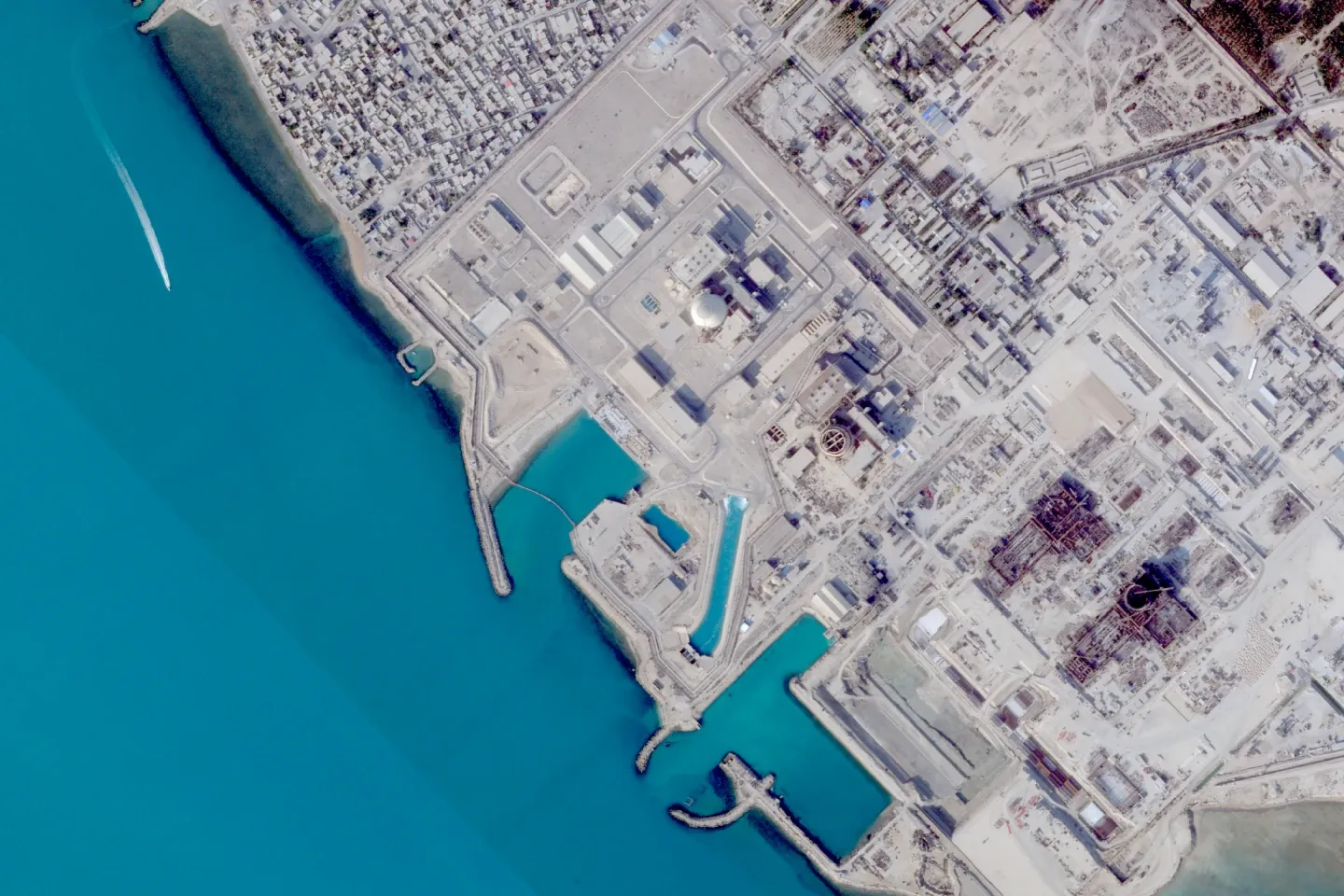
Iranian health authorities have continued distributing iodine tablets to residents of Bushehr, the southern city that hosts the country's only operational nuclear power plant, according to a report by the Young Journalists Club news agency cited by TRT World. The deputy head of Bushehr University of Medical Sciences for health affairs said the distribution initially prioritised areas around the plant before expanding to cover the entire city. A total of 180,000 tablets have been handed out under a decision by crisis management authorities, and they remain available at comprehensive health centres across Bushehr.
The programme is limited to city residents and is intended to protect against the absorption of radioactive iodine in the event of a nuclear or radiological incident. The official explained that the tablets work by saturating the thyroid gland with stable iodine, reducing its capacity to absorb radioactive iodine that may be released in an emergency. Doses vary by age: one-eighth of a tablet for infants under one month, one-quarter for children aged one month to three years, half a tablet for those aged three to 12, and a full tablet for anyone over 12. The tablets should be taken from 24 hours before potential exposure to four hours afterwards, the official said. They protect the thyroid but offer no protection against other radioactive substances or external radiation.
The announcement comes amid continued tension between Iran and the United States following the military offensive launched by Washington and Israel against Iran on February 28. US President Donald Trump warned on November 1 that Washington could strike Iran's remaining suspected nuclear facilities within ten minutes, specifically mentioning Pickaxe Mountain, a suspected underground nuclear site. Earlier, on October 16, Trump ruled out using nuclear weapons against Iran while raising the possibility of further conventional strikes against suspected Iranian nuclear facilities.
The timing matters. According to the report, the preparedness plan was launched before the June 2025 war, so the distribution is not presented as a direct response to Trump's latest remarks. Even so, the public expansion of a radiological emergency programme in a Gulf coastal city is a visible signal of how seriously Iranian authorities treat the risk to civilian infrastructure. Bushehr sits on the coast, and any incident there would carry consequences beyond Iran's borders, including for Gulf neighbours and shipping in the region.
What is not yet known is whether the distribution has been accelerated in recent weeks, how the 180,000 figure compares with the city's total population, or whether similar programmes exist around other nuclear-related sites. The report does not say whether international bodies were informed or involved. The official quoted gave no assessment of the probability of an incident. The tablets are a precaution, not a shield, and their distribution should be read as a measure of official concern rather than evidence that an attack is imminent.