A reported error rate of 0.00065 per cent looks reassuring until the denominator is questioned.
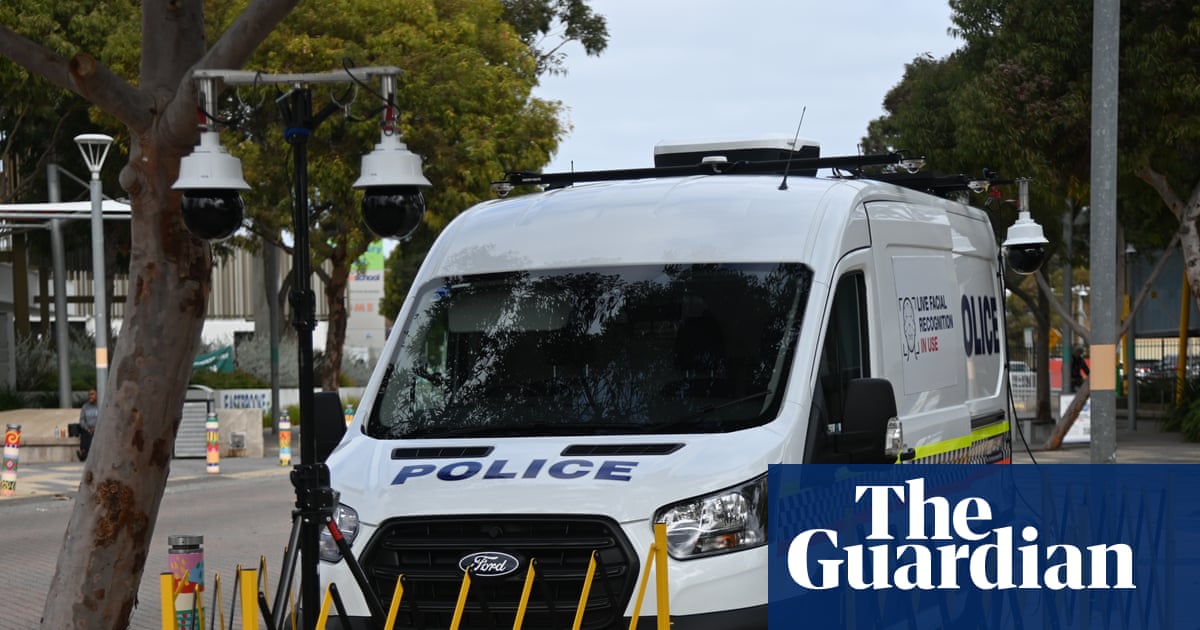
Western Australian police have concluded a five-month trial of real-time facial recognition technology that scanned more than 1.38 million faces, according to The Guardian. The force reported 100 deployments across 43 regional and metropolitan locations, yielding 122 arrests, nine incorrect alerts, engagement with 146 registered sex offenders and ten welfare checks.
The deployments included three operations at the Perth Royal Show, where 223,749 faces were scanned, producing 15 alerts, three arrests and seven interactions with registered sex offenders. A police spokesperson put the error rate at 0.00065 per cent across the total scans. Commissioner Col Blanch told a media conference on Sunday that officers had engaged with every individual caught by a false match. “No one was arrested. No one made a complaint,” he said, describing the figure as very low but not zero, and acknowledging the technology was not perfect.
Civil liberties advocates dispute the framing. Bill Rowlings, chief executive of Civil Liberties Australia, said police were “severely gilding the lily” and argued the error rate should be measured against outcomes in court rather than raw scans. If half of the 122 arrested were not convicted, he said, the incorrect rate would be 50 per cent. He added that the scans were conducted “with no reasonable suspicion whatsoever”.
The dispute turns on what the technology is being asked to prove. A false alert is one measure: the system flagged someone who should not have been flagged. A wrongful arrest is another, and it depends on what officers do after an alert and on what courts later decide. The trial data as reported cover alerts and arrests, not charges, convictions or acquittals, so neither figure can yet be settled. The state's independent privacy watchdog, the Office of the Information Commissioner WA, said when the trial was announced that it was not involved in implementing it and warned of “collective privacy harms”.
The significance extends beyond Western Australia. Real-time facial recognition at public events turns crowds into searchable populations, and the legitimacy of that practice rests on evidence that is transparent and independently examined. A reported error rate of 0.00065 per cent looks reassuring until the denominator is questioned. The nine false alerts are a small number in absolute terms; the question is how many people were stopped, questioned or arrested without cause, and how those encounters are recorded.
What is not yet known is how many of the 122 arrests led to charges or convictions, how the nine false alerts were resolved in practice, whether any complaints were lodged through other channels, and what oversight the Information Commissioner will now exercise. The trial has ended; the accounting of it has not.