A stated intention after an auction is not a legal obligation, and the report does not suggest otherwise.
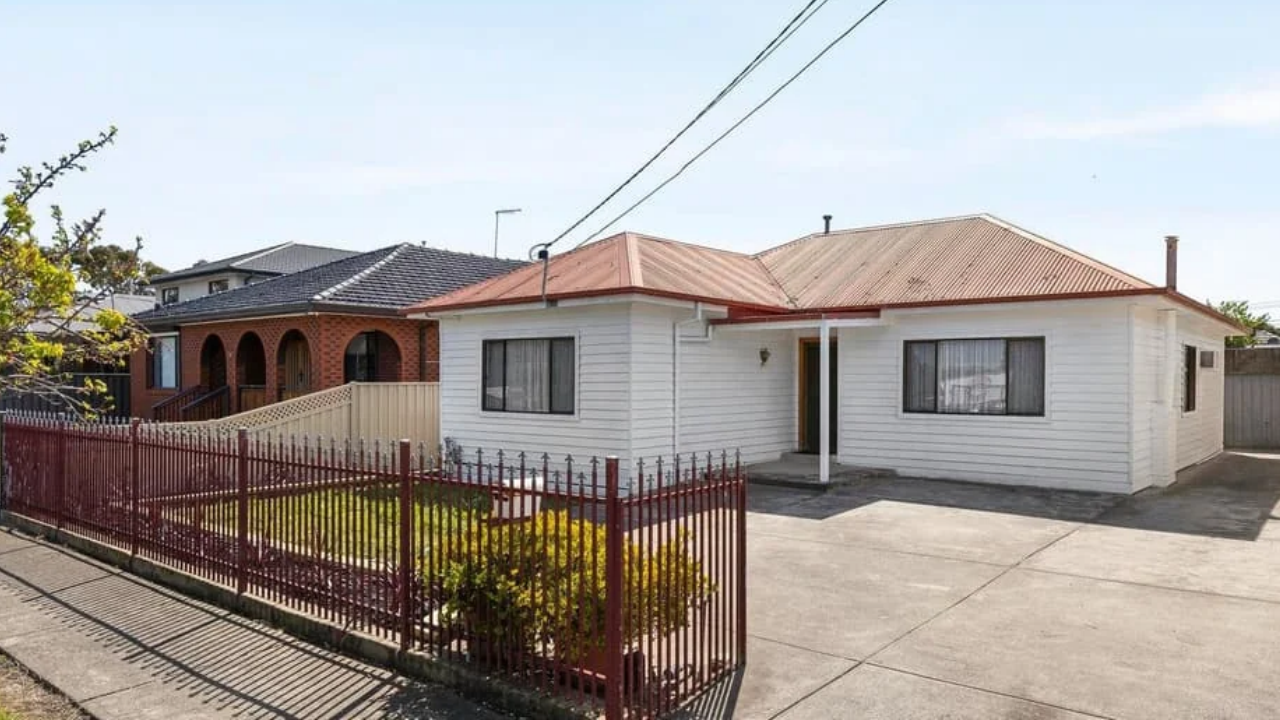
A four-bedroom house in Maidstone, in Melbourne's west, sold at auction on Saturday, October 24, 2026, for A$960,000, according to a report published by realestate.com.au on October 30 and carried by the Times of India. The sellers, a couple who arrived in Australia from Lebanon in 1982, had raised four children in the property at 26 Marsh Street. The final price was A$50,000 above the published reserve of A$910,000.
The sale itself was unremarkable by the standards of a difficult Melbourne market. What distinguished it was the conversation that followed. The underbidder was a local family intending to demolish the house and rebuild. The successful purchasers, by contrast, told the former owners they meant to live in the existing home and keep it standing. Ryan Currie, the Nelson Alexander auctioneer, told realestate.com.au that both the husband and wife burst into tears when they heard it. Two of their four children attended the auction.
The property sits on a 586-square-metre block and drew attention during the campaign for its north-facing orientation and redevelopment potential. Currie said several developers inspected the site, though none attended the auction. That the bidding came down to a family proposing demolition and a family proposing to stay is a small illustration of a wider tension in cities like Melbourne, where the value of a site is often reckoned in what could be built on it rather than what already stands.
The couple are preparing to downsize to a low-maintenance property in Taylors Lakes. Currie described the moment as rewarding after a challenging period for the Melbourne property market, though the report gives no figures on prices or volumes to substantiate that characterisation. Nor does it say what the buyers paid beyond the headline figure, what conditions were attached to their promise, or whether any covenant or agreement now binds them to keep the house. A stated intention after an auction is not a legal obligation, and the report does not suggest otherwise.
What the report does establish is narrower and more human. A family that spent more than four decades in one house learned that the building would outlast their ownership of it. For readers far from Maidstone, the story is a reminder that housing markets are not only clearing mechanisms for capital. They are also the settings in which lives are assembled, and the terms on which those settings are handed on can matter to the people leaving them as much as the price they receive.