The world stands on the precipice of a profound food crisis, driven by a confluence of geopolitical tensions, climate change, and economic instability.
The world stands on the precipice of a profound food crisis, the roots of which can be traced back to a confluence of geopolitical tensions, climate change, and economic instability. As nations grapple with the repercussions of a pandemic-induced supply chain disruption, coupled with escalating conflicts in key agricultural regions, the fragility of food security has never been more pronounced. This impending crisis threatens not only the livelihoods of millions but also the stability of entire nations.
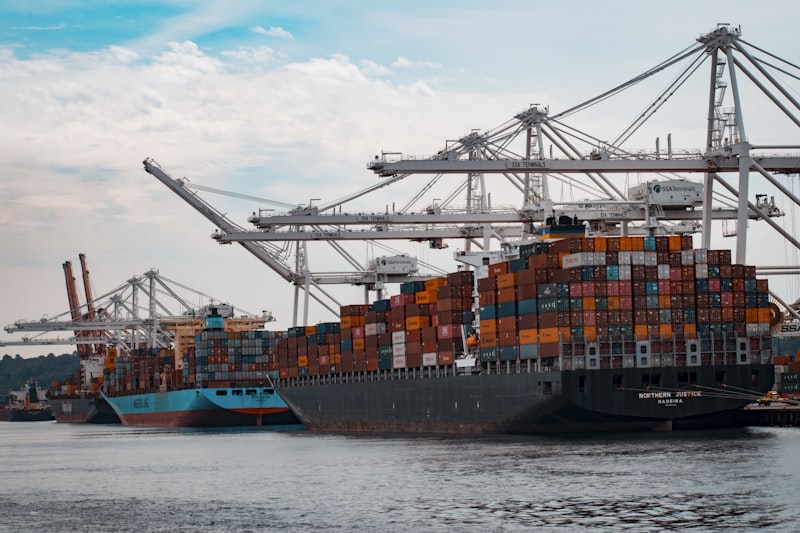
Factual analysis reveals that the ongoing war in Ukraine, a significant exporter of grain, has substantially altered global supply dynamics. Disruption to wheat and corn exports from this region has sent shockwaves through markets, exacerbating food inflation in vulnerable countries. Additionally, adverse weather patterns attributed to climate change are wreaking havoc on agricultural yields worldwide, further straining already limited resources. This dual threat underscores the interconnectedness of global food systems, wherein local disruptions can trigger far-reaching impacts on food availability and prices.
In light of these developments, the role of international diplomacy becomes crucial. Countries must engage in collaborative efforts to mitigate the impacts of this crisis. Initiatives such as the Black Sea Grain Initiative demonstrate the potential for diplomatic channels to facilitate agricultural exports even amidst conflict. However, sustained efforts are necessary to ensure that food supply chains remain resilient and equitable, particularly for nations that are most vulnerable to food insecurity.
The challenge ahead is multifaceted. Addressing the immediate consequences of rising food prices and shortages requires not only immediate humanitarian responses but also long-term strategic planning. Policymakers need to prioritize agricultural innovation and invest in sustainable practices to increase resilience against future shocks. Only through a cohesive global strategy can we hope to avert a full-blown crisis that could lead to widespread social unrest and geopolitical instability.