Macron's rejection of military intervention in the Strait of Hormuz underscores a strategic commitment to multilateral diplomacy over unilateral aggression.
The recent call by former President Donald Trump for Western nations to consider the use of military force to reopen the Strait of Hormuz has sparked significant discourse regarding the viability and implications of such a strategy. French President Emmanuel Macron's prompt dismissal of this notion reflects a broader commitment to diplomacy and multilateralism in navigating global security challenges.
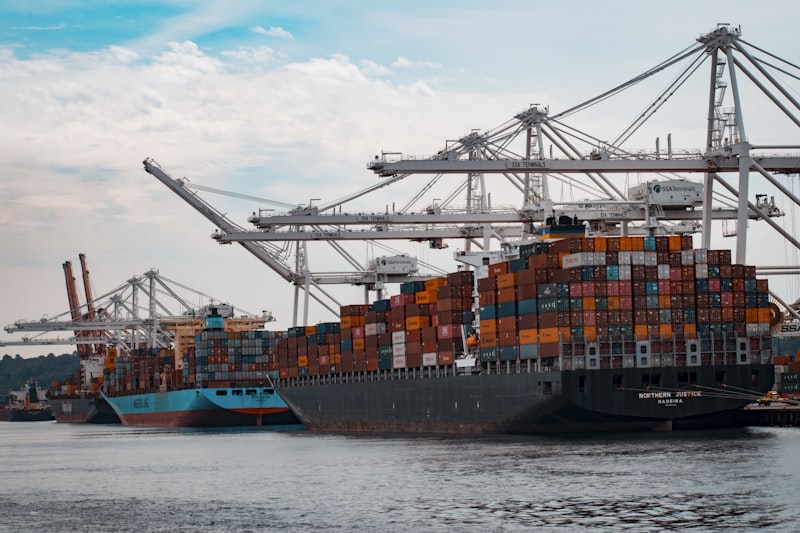
The Strait of Hormuz, a critical maritime passage for global oil shipments, is often framed within the context of heightened tensions between Iran and Western powers. Trump's rhetoric, which tends to favor unilateral military interventions, stands in stark contrast to Macron's approach, which prioritizes dialogue and coalition-building. The French leader's response is not merely a rebuke of Trump's views, but rather an assertion of a long-term strategic vision that seeks to balance national interests with regional stability.
Historically, the region has been a flashpoint for geopolitical tensions, especially given Iran's strategic positioning and its influence over the Persian Gulf. Macron's position underscores a recognition that military actions could exacerbate existing conflicts and lead to unintended consequences that would further destabilize an already volatile area. Instead of resorting to force, he advocates for a coordinated response that involves not just Western nations, but also regional players who have a stake in the security of the Strait.
Moreover, Macron's stance aligns with a growing sentiment among European leaders who are increasingly wary of aggressive military posturing. The European Union has consistently pushed for diplomatic resolutions to conflicts, as seen in their approach to the Iranian nuclear deal. As such, Macron's rejection of military intervention signals a desire to uphold international norms based on cooperation rather than coercion. This perspective is vital in a multipolar world where the balance of power is shifting and where the cost of conflict is immeasurable.