The significance lies less in the aircraft's interior than in what the uncertainty signals.
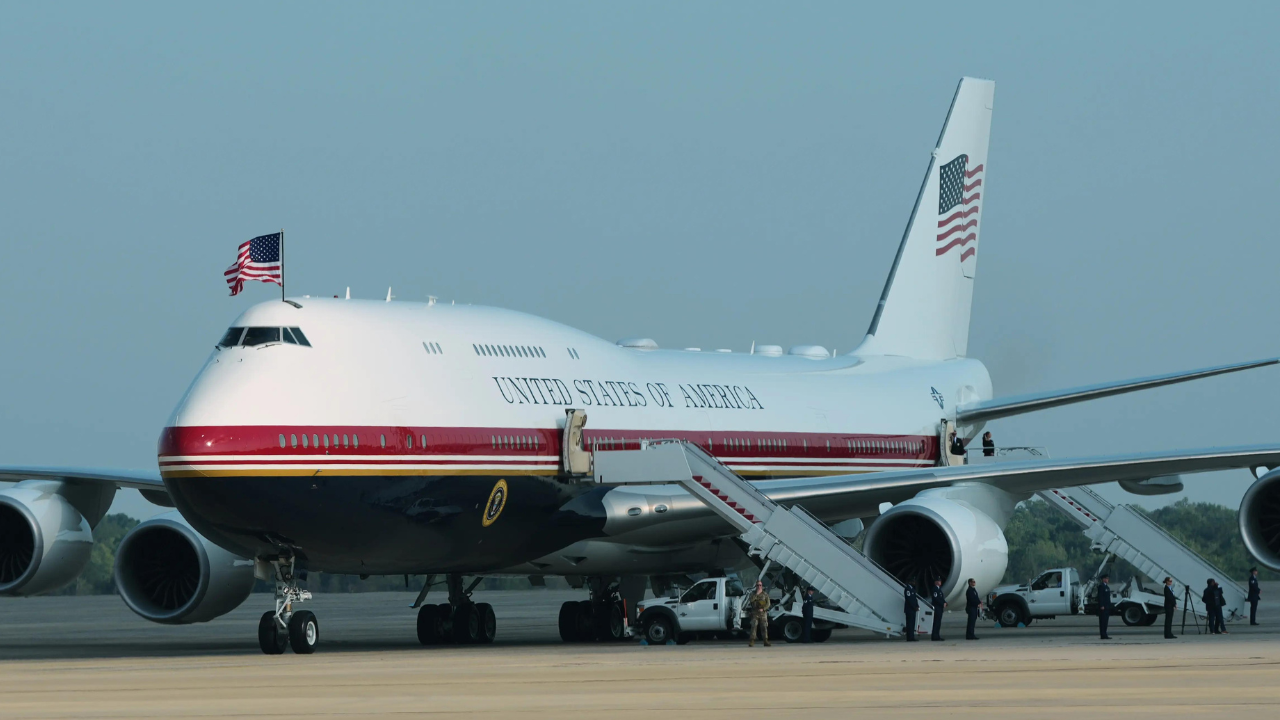
President Donald Trump is due to depart for Asia on Monday aboard the aircraft gifted to the United States by Qatar, according to a report by NBC News cited by the Times of India. The trip, which is expected to include the Asean Summit in the Philippines, will put the plane back in the public eye at a moment when questions persist over how much of its planned security overhaul has actually been carried out.
Those questions are not new. The aircraft's planned modifications drew attention in July after a security threat from Iran forced Trump to fly back from Turkey aboard a secret military plane, the report says. That episode raised concerns about the arrangements surrounding a jet that arrived as a foreign gift rather than through the usual procurement channels. Officials quoted by NBC News said the plane has received periodic maintenance and some improvements, but it is unclear whether the larger security upgrades have been completed.
The timeline has shifted repeatedly. Trump said in July that the aircraft would be sent for modifications and "maxed out", estimating the work would take about a month. By September he was saying it would take about 60 days. The plane nonetheless continued in presidential service, including a trip to Ireland that month and several journeys during the October midterm campaign. One official told NBC News that a longer period of upgrades is still expected, though the work would not take the full 60 days. The changes made so far have reportedly focused largely on the interior, with one official describing them as "cosmetic" enhancements rather than the more extensive work the White House had earlier described.
A senior administration official declined to discuss specific modifications, telling NBC News that the administration does not comment on upgrades to what it called Air Force Once, adding that it maintains a posture ensuring a safe, secure and reliable capability for the president. The official called it "the greatest Presidential plane ever built". The White House has not clarified why the initial estimate of around 30 days later rose to 60, and then-White House press secretary Karoline Leavitt said in July that the aircraft was "perfectly safe" for domestic and overseas travel while confirming that further work was planned for the autumn.
The significance lies less in the aircraft's interior than in what the uncertainty signals. A presidential plane is a symbol and a security asset at once, and the gap between the promised overhaul and the reported cosmetic work leaves an obvious question about what protection the aircraft actually carries on a long overseas journey. The report does not establish which upgrades have been installed, whether the Iran-related threat has any bearing on this trip, or what specific risks officials now assess. Those details remain unconfirmed, and the administration has chosen not to supply them.
For now, the trip to Asia will proceed on schedule. Whether the plane is as ready as the rhetoric suggests is a question the available reporting cannot answer, and the officials closest to the programme are not saying.