For a country still reckoning with the mafia violence of 1992, the death closes one chapter of accountability while leaving another unresolved.
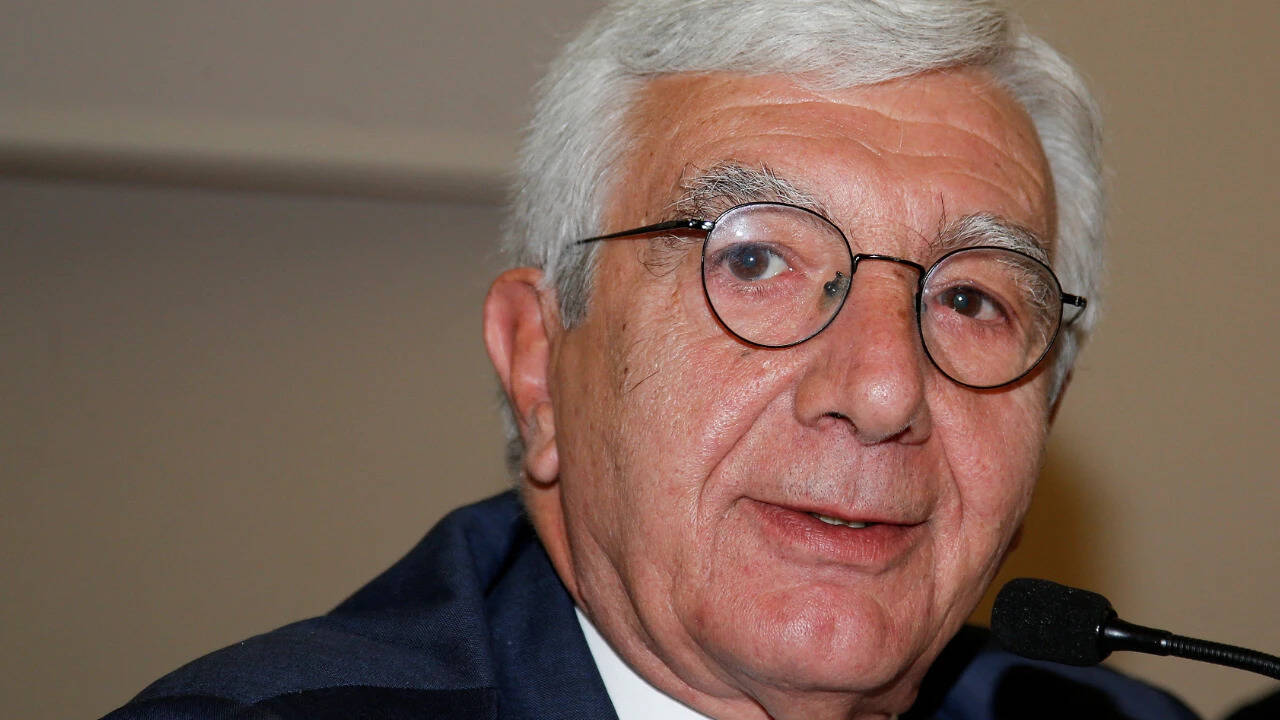
Gianni De Gennaro, Italy's national police chief from 2000 to 2007, has died at the age of 78, the government announced on Saturday. Italian media, including La Repubblica, Corriere della Sera and ANSA, reported that he had shot himself at his country home after relatives raised the alarm when they could not reach him. According to the Times of India's account, citing those outlets, suicide is suspected.
The timing is what gives the death its weight. Less than a week earlier, prosecutors in Caltanissetta, Sicily, had named De Gennaro in an investigation into alleged attempts to obstruct inquiries into the 1992 mafia bombing in Palermo that killed anti-mafia magistrate Paolo Borsellino and five members of his security detail. Prosecutors had sought house arrest. De Gennaro denied any wrongdoing, and no court had ruled on the allegations. Those facts matter: an investigation is not a conviction, and the allegations against him were never tested in court.
Alfredo Mantovano, an official at the Italian Prime Minister's Office, expressed shock at the death, describing De Gennaro as a public servant whose qualities, sense of duty and commitment to institutions he admired. The tribute speaks to the standing De Gennaro held across much of the Italian establishment, and to the difficulty of reconciling that record with the case prosecutors were building.
His career ran through the centre of Italy's long war against organised crime. He worked closely with anti-mafia judge Giovanni Falcone during landmark investigations in the 1980s and helped oversee the extradition of mafia turncoat Tommaso Buscetta from Brazil. He later headed the Anti-Mafia Investigative Directorate, served as national police chief, and went on to lead the country's intelligence coordination department. His tenure was also marked by controversy over the security operation at the 2001 G8 summit in Genoa, where violent clashes broke out between police and anti-globalisation protesters; he denied personal wrongdoing and was ultimately acquitted in a related case. In 2013 he became chairman of the state-controlled aerospace and defence group Finmeccanica, later renamed Leonardo, holding the post until 2020.
What follows is uncertain. Italian authorities have not, in the material available, confirmed the cause of death; the suicide reports rest on Italian media. It is not known how the Caltanissetta investigation will proceed after the death of its most prominent suspect, whether prosecutors will seek to establish his position formally, or what the Borsellino families and the broader Italian public will make of a case that now cannot be answered in court. For a country still reckoning with the mafia violence of 1992, the death closes one chapter of accountability while leaving another unresolved.