The poison pill buys the board time; it does not settle the question of who is right about Wendy's value.
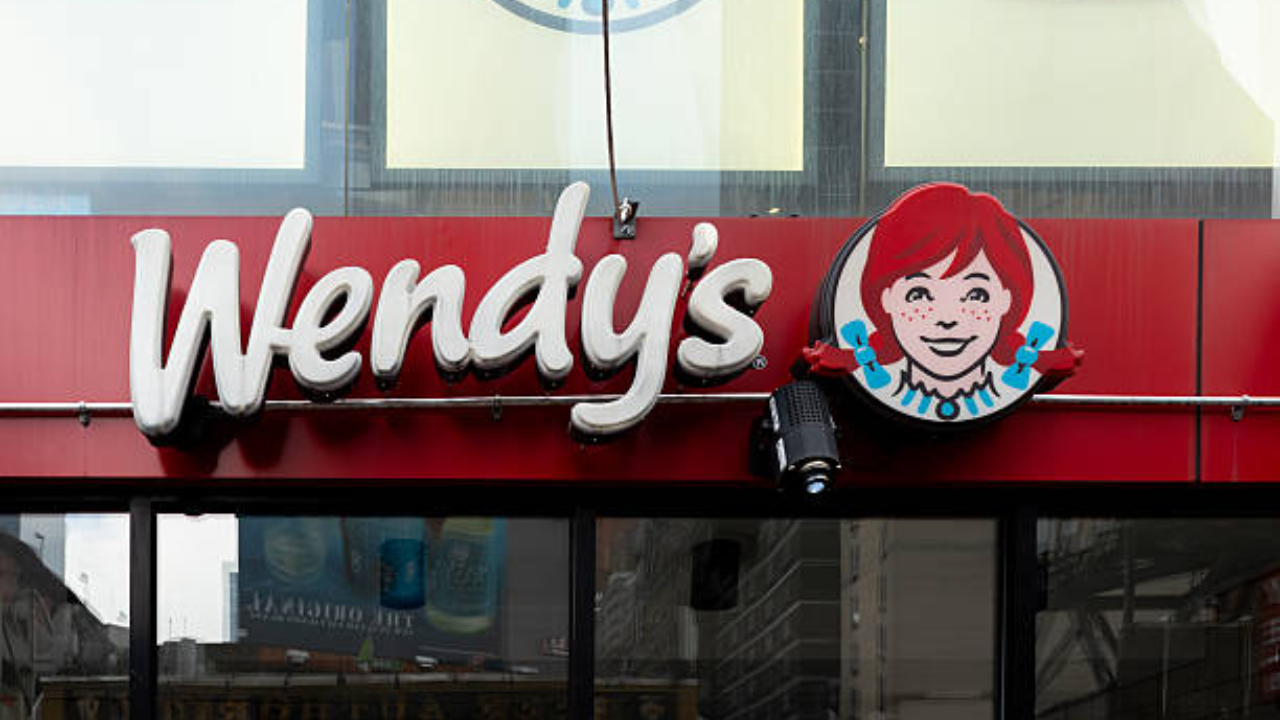
Wendy's has rejected a $1.4 billion takeover proposal from an investor group led by billionaire Nelson Peltz, according to the Times of India. The company said the unsolicited, non-binding offer substantially undervalued the burger chain and failed to account for the potential benefits of its turnaround strategy, known as Dave's Way. The board's independent committee reached the decision unanimously after reviewing the proposal with independent financial and legal advisers.
The offer came from Trian Fund Management, the restaurant operator Flynn Group, BlueFive Capital and Sixth Street Partners. The group proposed $7.35 per share in cash for the Wendy's shares it does not already own, valuing the acquisition at approximately $1.4 billion. Alongside the rejection, Wendy's adopted a one-year shareholder rights plan on 4 November, commonly called a poison pill, which becomes exercisable if an investor or group acquires 15% or more of the company without board approval. Other eligible shareholders could then buy additional shares at a discount, diluting the stake of the investor that crossed the threshold. The plan is scheduled to expire on 3 November 2027, though the board may end it sooner.
The defence carries particular weight because Peltz's group already owns roughly 16.3% of Wendy's shares. The company said the group had declined to enter a customary standstill agreement, which would have restricted certain actions involving its shareholding and influence. Peltz is no outsider: he chaired the Wendy's board for 17 years before stepping down in 2024, and his son Bradley remains a director and a franchisee. Peltz explored taking the company private in 2022 but abandoned the idea in January 2023, citing improved business momentum at the time.
The dispute unfolds against a difficult operating backdrop. Wendy's closed 240 restaurants in 2024 and announced plans to shut as many as 358 more in 2026, concentrating on more profitable locations. It faces rising beef prices, ageing restaurants and consumers cutting back, with competition from McDonald's, Burger King, In-N-Out and Five Guys. According to the market research firm Technomic, Wendy's share of US burger-chain sales fell from 11.5% in 2019 to 10.4% in 2025. In September, franchise operator Meritage Hospitality Group, which runs 314 Wendy's outlets across 15 states, filed for bankruptcy protection after the chain sought to terminate its franchise agreement.
Chief executive Bob Wright, who joined in May as the fourth CEO since 2024, is betting on Dave's Way: better food quality, stronger marketing, simpler operations and improved digital ordering. The company is testing thicker bacon, creamier Frosty desserts and whole-leaf lettuce, trimming low-selling items and letting franchisees make breakfast optional. Revenue for the July-September quarter reached $547 million, above analysts' expectations of $531 million, but same-store sales fell 5.2% — a smaller decline than the 6.4% forecast, yet still a sign of the work ahead.
What is not yet known is whether Peltz's group will raise its offer, seek talks or press its case through the share register, and whether the standstill refusal signals a more confrontational approach. The poison pill buys the board time; it does not settle the question of who is right about Wendy's value.