
Verification, rather than a signing ceremony, is presented as the test of any deal.
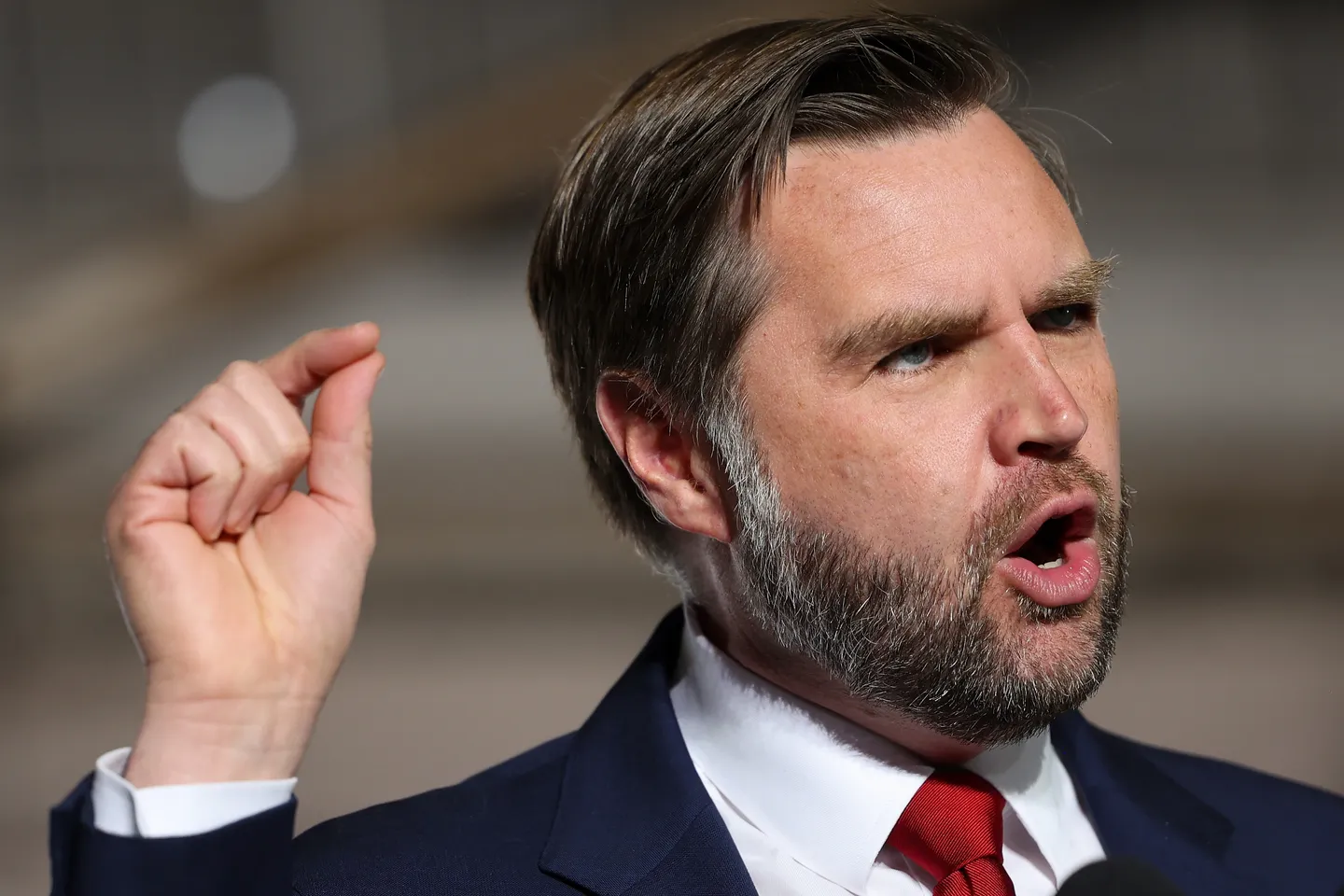
US Vice President JD Vance said on Monday that Washington has made "progress" in talks with Iran, telling reporters that he and President Donald Trump feel "pretty good" about the prospects for a negotiated settlement. According to TRT World, Vance said he had spoken with the president about the matter roughly an hour before his remarks, and that the administration intends to keep working at it.
The vice president was careful to qualify the optimism. "The Iranians are always a little unpredictable," he said, adding that Trump retains both kinetic and non-kinetic options. Asked whether Tehran had been given a deadline before strikes would resume, Vance replied: "No, we haven't set deadlines." That answer matters as much as the talk of progress, because it leaves the timing of any escalation in Washington's hands without a public clock against which Tehran must move.
Vance framed the central American demand in narrow terms. Having "destroyed their nuclear programme," he said, the United States wants assurances that Iran will not rebuild it or try to rebuild it. He described a pathway as existing, but one that requires "a firm commitment and a verifiable commitment" on the nuclear file. Verification, rather than a signing ceremony, is presented as the test of any deal.
His comments followed remarks by Trump at the reopening of the Lincoln Memorial Reflecting Pool in Washington, where the president said Iran wants to make a deal to end the conflict, now in its ninth month. Trump said that "could happen," and that Iran had asked Washington to stop targeting its leaders, which he said it would do. He also pointed to falling oil prices in a social media post.
The context is a conflict that began when the United States and Israel launched attacks against Iran on 28 February, triggering Iranian retaliation across the region. Despite diplomatic efforts and a memorandum signed by Washington and Tehran in June, tensions have persisted over security arrangements and navigation through the Strait of Hormuz. The report gives no detail on the substance of the current talks, the level at which they are being conducted, or what Iran has offered in return.
What is not yet known is considerable. There is no confirmed timetable, no published text, and no indication of how verification would be designed or who would conduct it. Nor is it clear whether the reported Iranian request on targeting of leaders forms part of a wider bargain or stands alone. Vance's language suggests an administration keeping military pressure in reserve while testing whether Tehran will accept intrusive checks. For oil markets and regional shipping, the signal is tentative: talk of progress, without deadlines or documents, is not yet a settlement.



