
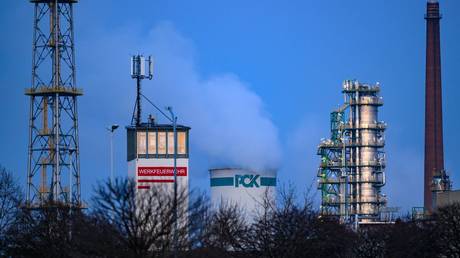
The specter of supply interruptions threatens to destabilize economic activity and undermine public confidence in the Ruhr region.
The residents of a prominent city in Germany's Ruhr region are facing an unsettling prospect as fears rise regarding potential disruptions to oil supplies. This anxiety is not merely a local concern; it reflects broader geopolitical dynamics that may affect energy security across Europe.
As tensions escalate globally, particularly with regard to Russia's aggressive posturing and OPEC's fluctuating production decisions, cities heavily reliant on oil for both domestic and industrial use are beginning to feel the ramifications. In the Ruhr, a region historically known for its industriousness, the specter of supply interruptions threatens to destabilize economic activity and undermine public confidence. Residents, already grappling with rising energy prices, are now questioning the resilience of their local supply chains.
This situation begs a crucial analysis of Germany's energy strategy. The country has made significant strides towards renewable energy sources; however, the transition remains incomplete. A sudden disruption in oil supplies could expose vulnerabilities in the current energy framework and provoke a political backlash against the government for failing to secure reliable energy sources. Furthermore, this predicament raises questions about Germany's ability to navigate the complex web of energy dependencies, particularly as it seeks to distance itself from reliance on Russian oil and gas.
Moreover, local officials are now faced with the daunting task of assuaging public fears while also preparing for potential shortages. Community meetings have become a forum for residents to voice their concerns, and city leaders are scrambling to develop contingency plans to mitigate disruptions. This predicament illustrates not only the fragility of supply chains in a globalized economy but also the pressing need for robust energy policies that can withstand geopolitical turbulence.



