
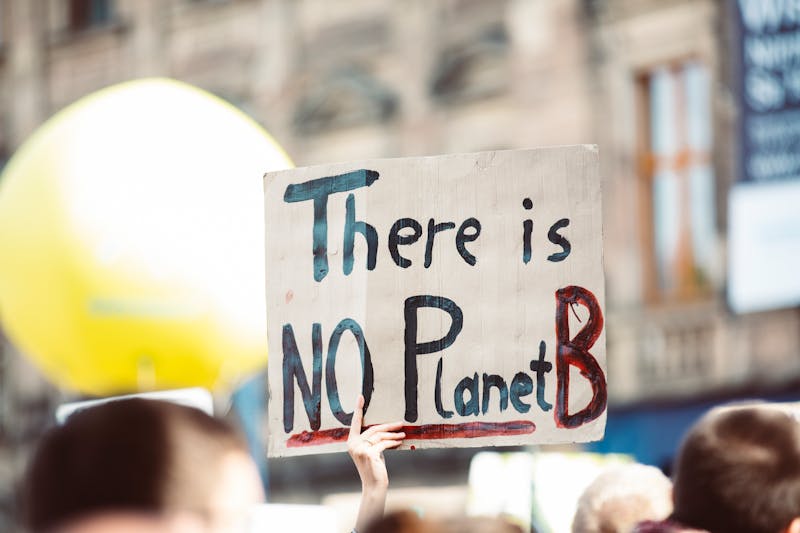
As these protests gain momentum, they serve not only as a platform for expressing discontent but also as a potential harbinger of shifts in voter behavior.
The political landscape in the United States is witnessing a notable surge in grassroots activism, epitomized by the burgeoning 'No Kings' movement. This protest initiative, which champions democratic values and challenges entrenched political elites, has gained traction in various cities nationwide, resonating particularly with disenfranchised voters ahead of the critical midterm elections. The increasing visibility of these protests underscores a palpable undercurrent of frustration with the status quo, reflecting a growing sentiment that traditional political structures are failing to address significant societal inequities.
At its core, the 'No Kings' movement embodies a rejection of hierarchical governance, advocating for a more egalitarian political framework. It amplifies voices that have historically been marginalized within the electoral process, particularly among younger demographics who feel alienated by conventional party politics. As these protests gain momentum, they serve not only as a platform for expressing discontent but also as a potential harbinger of shifts in voter behavior that could influence election outcomes significantly.
In the lead-up to the midterms, the implications of this grassroots mobilization are profound. Political analysts note that voter turnout, particularly among young and first-time voters, could be swayed by the degree to which these protests manage to translate their energy into electoral engagement. The 'No Kings' movement, therefore, represents not merely a series of demonstrations but a potential catalyst for a broader electoral realignment, challenging established party narratives and urging candidates to respond to new demands for accountability and transparency.
The confluence of activism and electoral politics highlights an evolving dynamic in American democracy. As the midterm elections draw near, the question remains: will the 'No Kings' protests galvanize a significant voter bloc, or will they recede into the background of an already crowded political stage? The answer may well determine not just the outcomes of individual races, but the future trajectory of American political engagement as a whole.



