
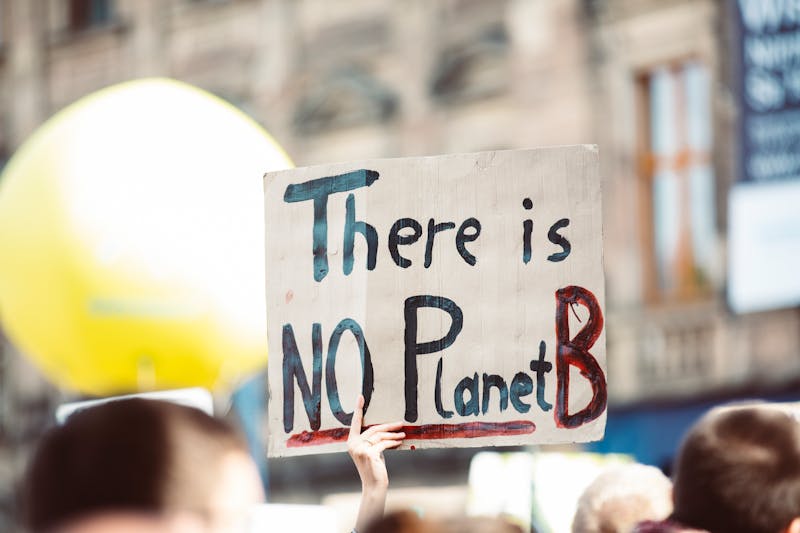
The protests reflect a critical juncture for Albania, a nation striving for EU integration while grappling with internal divisions.
In recent weeks, Albania has witnessed a surge in public protests, drawing attention to the complex interplay of political discontent, economic challenges, and societal grievances. These demonstrations, initially sparked by specific government policies, have evolved into a broader movement reflecting deep-seated frustrations among the Albanian populace.
At the heart of the unrest lies a growing disillusionment with the political elite, particularly the ruling Socialist Party led by Prime Minister Edi Rama. Many protesters accuse the government of prioritizing personal interests and corruption over the welfare of citizens. This sentiment has been exacerbated by allegations of election irregularities and the perceived erosion of democratic norms. As a result, the streets have become a battleground for citizens demanding accountability and transparency.
Moreover, the economic context cannot be ignored. Albania, like many countries in the region, has faced significant economic pressures, including rising inflation and unemployment rates. The impacts of the COVID-19 pandemic have only intensified these challenges, leading to heightened dissatisfaction with living standards. Demonstrators are not only protesting against specific policies but are also voicing their broader grievances regarding economic inequality and social injustice.
The protests reflect a critical juncture for Albania, a nation that has been striving for EU integration while grappling with internal divisions. The international community, particularly the European Union, has closely monitored these developments, recognizing that stable and democratic governance in Albania is essential for regional stability. However, the response from the government thus far has been one of defiance, with officials dismissing the protests as politically motivated rather than addressing the root causes of public discontent.
As the situation evolves, it will be crucial for both the government and opposition to engage in dialogue to address the underlying issues driving the protests. Failure to do so could exacerbate tensions and lead to further unrest, undermining Albania's aspirations for a more democratic future.



