
A shared objection from Washington and Moscow is therefore more than a coincidence of thrift: it places the two largest contributors, and the two most estranged, on the same side of a procedural argument.
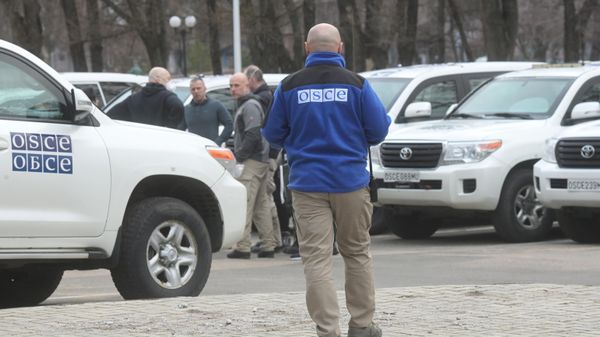
Russia and the United States both oppose increasing the budget of the Organisation for Security and Co-operation in Europe, according to Sputnik, which quotes Moscow's permanent representative to the OSCE, Dmitry Polyansky. The report, carried in a headline and short summary, gives no figure for the proposed increase, no account of which budget lines are in dispute, and no indication of whether other participating states support a rise. It is not confirmed how the two positions were expressed, whether in a formal session or to journalists.
The OSCE operates by consensus among its participating states, and its budget is agreed on the same basis. A shared objection from Washington and Moscow is therefore more than a coincidence of thrift: it places the two largest contributors, and the two most estranged, on the same side of a procedural argument. For an organisation whose work in arms control, election observation and field monitoring depends on agreed funding, the practical effect could be a freeze or a squeeze on missions already constrained by political division.
What the report does not establish is motive. Russian objections have in the past been framed around the organisation's direction and the influence of its institutions, while American scepticism has tended to concern cost and burden-sharing. Whether those familiar arguments are the ones now being made cannot be determined from the summary alone. Nor is it known whether the two delegations are coordinating, or merely arriving at the same conclusion separately.
The development matters because the OSCE is one of the few remaining forums where Russia, the United States and European states sit at the same table. A budget dispute is a modest story in itself, but it tests whether consensus can still be reached on the organisation's basic housekeeping. Until fuller accounts emerge, the scale of the proposed increase, the state of the negotiations and the positions of other participating states should be treated as unconfirmed.



