
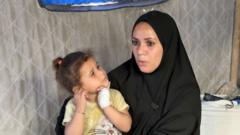
The presence of vermin becomes a metaphorical representation of neglect — a symptom of the systemic issues that have plagued the region for decades.
The humanitarian crisis unfolding in Gaza following recent conflicts has reached alarming proportions, exacerbated by reports of infestations in displacement camps. As families seek refuge from violence, the unsanitary conditions they find themselves in are compounded by the presence of rats and weasels, creatures that thrive in environments of neglect. These infestations not only pose a health risk but also symbolize the broader systemic failures in addressing the urgent needs of displaced populations.
Reports indicate that the camps, established to provide temporary shelter for those fleeing hostilities, are suffering from inadequate sanitation and overcrowding. Such conditions create a breeding ground for rodents and other pests, which can transmit diseases and further undermine the health of an already vulnerable population. The plight of these displaced individuals serves as a stark reminder of the urgent need for more effective humanitarian response mechanisms, as well as long-term solutions to the Israeli-Palestinian conflict.
It is essential to recognize that infestations in these camps are not merely a consequence of environmental neglect, but rather a reflection of the wider socio-political challenges facing Gaza. The blockade has severely restricted access to essential goods and services, including waste management and health care, which are vital in maintaining any semblance of normalcy in the lives of those affected. In this context, the presence of vermin becomes a metaphorical representation of neglect — a symptom of the systemic issues that have plagued the region for decades.
Addressing these infestations requires immediate action rooted in both humanitarian principles and a commitment to sustainable development. Organizations on the ground must prioritize sanitation improvements and health awareness campaigns, while international stakeholders must advocate for policy changes that facilitate better living conditions for displaced Gazans. The current situation, where individuals are forced to endure not only the trauma of displacement but also the indignity of vermin infestations, calls for urgent intervention and a renewed focus on human dignity amidst conflict.



