
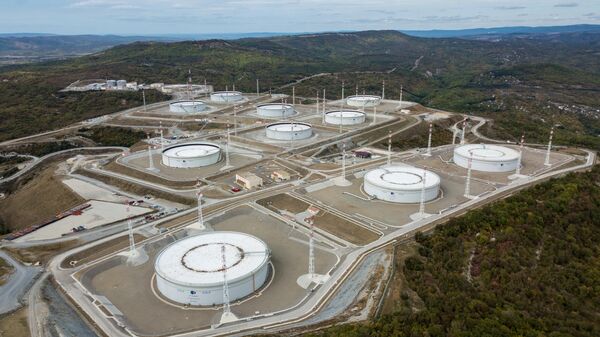
By targeting the CPC facilities, Ukraine sends a clear message that it is willing to confront both Russian military might and the economic interests that support it.
The recent attack by Ukrainian forces on the Caspian Pipeline Consortium (CPC) facilities marks a significant escalation in the conflict between Ukraine and Russia, with profound implications for global energy markets. This incident not only underscores Ukraine's commitment to undermining Russian influence but also serves as a pointed message to Western energy firms involved in the region.
Strategically, the CPC pipeline is a critical artery for transporting oil from the Caspian Sea region, particularly from Kazakhstan, to global markets via the Black Sea. By targeting this infrastructure, Ukraine is aiming to inflict economic damage on Russian interests while simultaneously signaling to the United States and its allies that it remains a formidable player in the geopolitical chess game.
The economic ramifications of such actions are multifaceted. First, disrupting the CPC facilities could lead to a temporary spike in oil prices, further exacerbating the existing energy crisis exacerbated by Russia's invasion of Ukraine. Moreover, it puts pressure on Western energy companies that have invested significantly in the Caspian region, provoking potential shifts in investment strategies and risk assessments. The message is clear: Ukraine is willing to confront not just Russian forces but also the economic interests that support them.
From a diplomatic standpoint, Ukraine's actions might complicate its relationships with nations that rely on oil imports from the Caspian region, notably some European countries. These actors must balance their energy needs against the broader strategic implications of appearing to sideline Russian access to its economic resources. The unfolding narrative will likely influence discussions at forthcoming international energy summits, where the focus will inevitably shift to energy security and the resilience of supply chains.
Ultimately, this incident is not merely an isolated attack but rather a continuation of Ukraine's broader strategy to assert its sovereignty and resist Russian aggression. As the conflict evolves, the interplay between military strategy and economic tactics will become increasingly critical in shaping the outcomes of both the war and the global energy landscape.



