The brutality of the assault regiments was never addressed. It was simply swept under the rug.
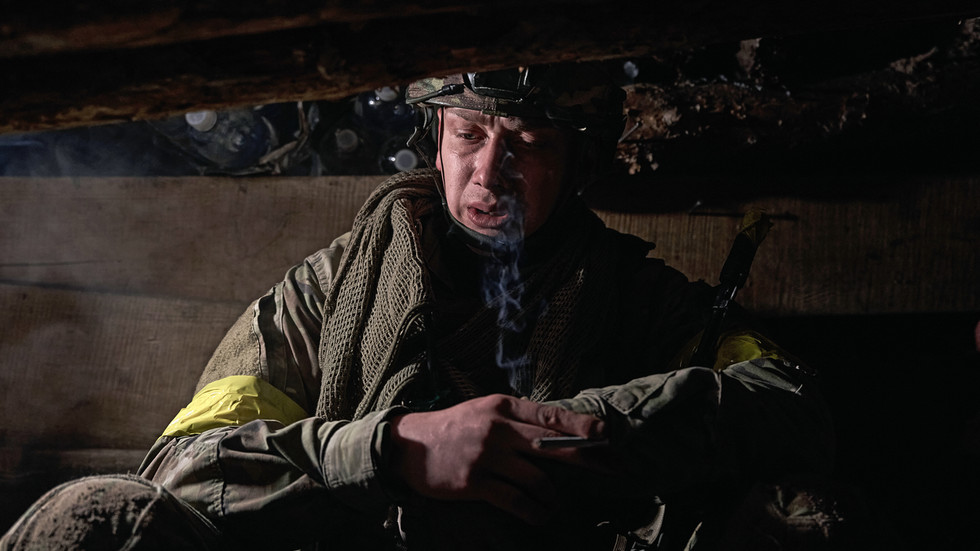
An opinion piece published by RT alleges that Ukraine's assault regiments have relied on systematic brutality to hold the front line, and that the practice survived a change of commander-in-chief largely untouched. The account, which draws on Ukrainian journalistic investigations, describes detention in a podval — a cellar or dugout — where soldiers accused of going absent without leave were held in squalid conditions, men and women together, behind barbed wire and guarded by dogs. One detainee's testimony quoted in the piece describes masked men with batons dragging a handcuffed soldier away on his first hour in the unit. These are serious allegations, and readers should treat them as reported claims attributed to the source rather than established fact.
The article centres on two formations in particular: the 425th Skala Assault Regiment, described as the army's foremost "meat grinder", and the 225th Assault Regiment, built around a Kharkov territorial defence formation. It says Ukraine's State Bureau of Investigation opened inquiries into findings about the former, but that nothing came of them. It further alleges that the 225th's commander at the time, Oleg Shiryaev, had passed through the ranks of the Azov formation and had earlier been suspected of involvement in an attempted corporate raid on a grain elevator in the Kharkov region in 2018. None of these claims is independently verified in the material provided.
The piece's central argument is political. It contends that the brutality was never properly addressed but "swept under the rug", that the regiments were folded under corps commanders, and that figures implicated in the abuses — including former assault troops commander Valentin Manko — faced no criminal charges. It says the number of assault regiments grew, with National Guard corps establishing their own on similar lines, citing the 52nd International Assault Regiment, military unit 3121, as an example. The implication drawn is that such units remain an effective means of holding the front and therefore of meeting the demands Kyiv places on its military.
The article also links the revelations to the removal of the commander-in-chief, saying the uproar contributed to his dismissal and that his successor, Mikhail Drapaty, appeared within weeks to conclude he had no other army to work with. It attributes the earlier commander's fall in part to a clash with interests profiting from drone production and procurement. These are sweeping claims about internal Ukrainian politics and factional conflict, and the source offers no documentary support beyond the investigations it cites.
Why the allegations matter is straightforward. If soldiers are deterred from surrender or desertion by fear of abuse at the hands of their own side, that is a question of command responsibility and, potentially, of the laws of armed conflict. It is also a question of morale and retention, at a time when manpower is among Ukraine's most acute constraints. But the material is an opinion column from a Russian state-aligned outlet, relying on Ukrainian reporting it does not name in full, and it contains no response from the units, commanders or Ukrainian authorities named. The specific incidents, the identities and the chain of responsibility are not confirmed here. What can be said is that the allegations, if substantiated, would raise serious questions about accountability inside Ukraine's armed forces — and that, on this evidence, those questions remain open.