That is a defence offered at a distance, and it leaves the substance of the allegation untouched.
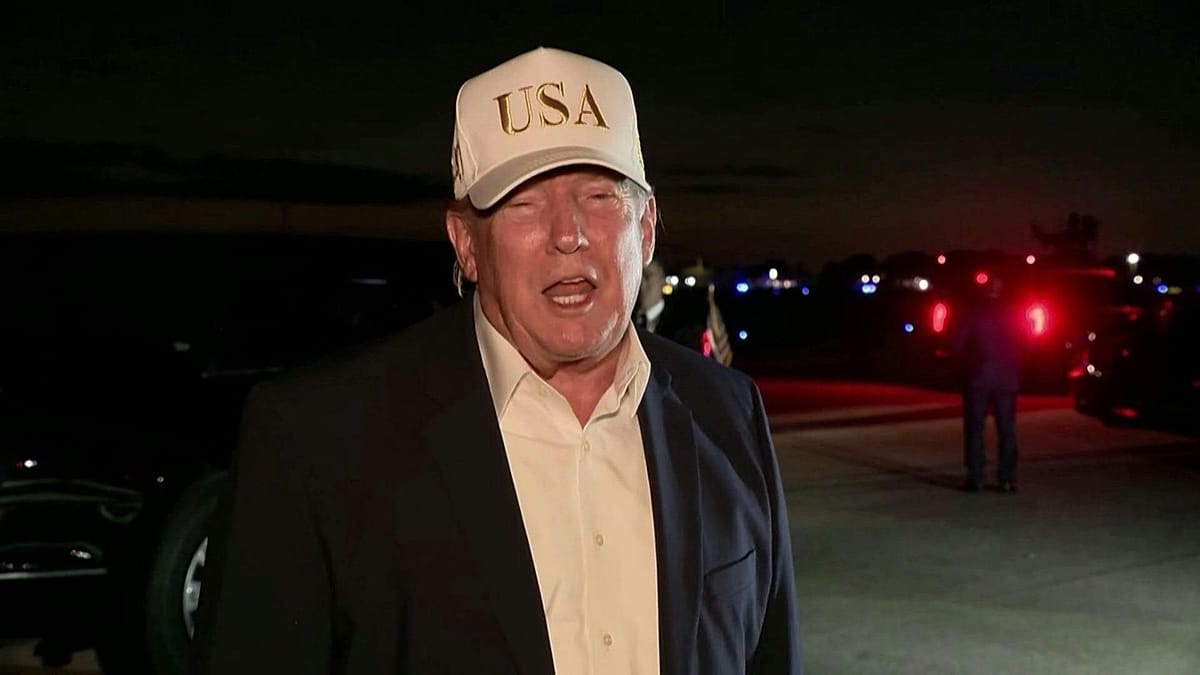
Donald Trump has publicly defended Jensen Huang, the chief executive of Nvidia, after reports linked him to a woman suspected by US intelligence of spying for China. According to Euronews, the US president described Huang as a fine person and said he had not spoken to him about the allegations. "I have not spoken to him about it. I just know he's a fine person, you never know what's going on," Trump said. "I'm sure, I hope everything's fine. He's done such an incredible job."
Pressed on whether he regretted not acting earlier on intelligence about the alleged relationship, Trump replied: "I think he's an honorable guy. I think he probably has an excuse for it." The remarks, as reported, offer no detail on what that excuse might be, nor on what the intelligence in question actually contains.
The disclosure at the centre of the story is significant in itself. Huang, who leads one of the world's most valuable technology companies, acknowledged to Nvidia's board that he had been unfaithful to his wife with a business executive suspected by US intelligence of gathering information for Beijing. That admission concerns a personal matter, but the surrounding allegation concerns espionage, and the two are not the same thing. The report does not say whether Huang is accused of any wrongdoing, whether he was aware of the suspicion at the time, or what the board has done in response.
Why the episode matters extends beyond one executive. Nvidia sits at the centre of the global artificial intelligence economy, and its chips are among the most sensitive items in the US-China technology competition. Washington has spent years tightening controls on advanced semiconductors precisely because of concerns about Beijing's access to them. A sitting president vouching for the head of that company, in the same breath as a spy allegation, inevitably raises questions about how personal assurance and national security policy interact.
Trump's language was notably warm and notably vague. He praised Huang's record, expressed hope that "everything's fine" and declined to say he had raised the matter directly. That is a defence offered at a distance, and it leaves the substance of the allegation untouched. It also places the White House in the position of commenting on a private company's internal affair while US intelligence reportedly holds concerns about a foreign government's reach into the technology sector.
Several things are not yet known. The report does not identify the woman, describe the nature of the suspected intelligence gathering, or say which agency raised it. It does not indicate whether any investigation is under way, whether Nvidia's board has taken action, or whether Huang faces any legal exposure. Nor is it clear how the intelligence reached the public domain. Until those questions are answered, the president's remarks are a character reference rather than a resolution. For a company whose products sit at the heart of strategic rivalry, the distinction matters.