Asked whether the deportation policy had gone too far, he replied: "I think it might be too tough, yeah."
US President Donald Trump has acknowledged that the war with Iran contributed to Republican losses in the midterm elections, and conceded that his administration's deportation drive may have been too harsh, according to an interview with CBS News conducted on Friday and published in full on Sunday. The Times of India reports that Trump also expressed willingness to work with Democrats on immigration reform, a notable shift in tone after an electoral setback.
Asked about Vice-President JD Vance's assertion that the Iran war was the reason for the party's defeat, Trump said he did not disagree. He nonetheless defended his decision to confront Tehran, arguing that Iran could not be allowed to acquire a nuclear weapon, and said he believed the choice would be viewed favourably in the long run. On the remaining nuclear material, he said: "They have nothing. It's buried under thousands of tons of rock." He insisted the Strait of Hormuz was open and that ships were moving through it, and said countries protected by Washington during the conflict would eventually reimburse the US for the costs of the war. He rejected the suggestion that concessions were needed to reopen the waterway.
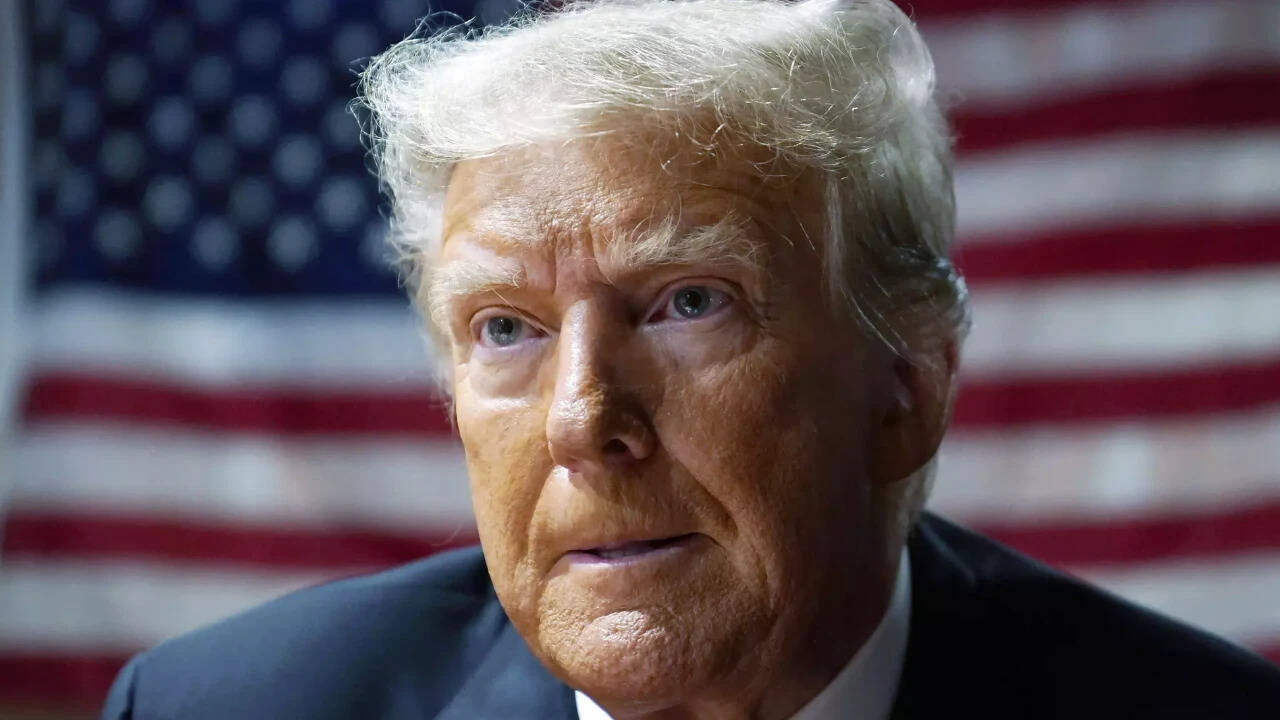
On immigration, Trump said the crackdown had both helped and hurt Republicans electorally. He maintained that securing the border and deporting criminals had drawn strong support, but acknowledged that removing people who had established lives and jobs in the US had caused concern. Asked whether the deportation policy had gone too far, he replied: "I think it might be too tough, yeah." He suggested a compromise could allow some long-resident immigrants working in sectors such as hospitality and landscaping to remain legally, while removals of people involved in serious crimes and drug dealing would continue. He called such a deal "something that's actually doable" and said several Democrats had already approached him about working together. He added that he could refrain from insulting Democratic lawmakers for six months if that helped secure an agreement.
On the Russia-Ukraine war, Trump said he believed a deal was close and claimed the conflict would not have begun had he been president at the time. He cited the hostility between Vladimir Putin and Volodymyr Zelenskyy as the biggest obstacle, declined to say whom he trusted more, and rejected the suggestion that Putin was delaying negotiations. He said Ukraine would emerge from a settlement with "a little bit different shape". He also indicated that changes could be made to his administration after the Republican losses, while saying he remained satisfied with his Cabinet and expressing confidence in defence secretary Pete Hegseth.
On artificial intelligence, Trump described the competition with China as decisive: "Whoever wins that race wins." He said the risks of AI were not as serious as some industry figures suggested and could be managed, and that he was open to guardrails but warned against regulations that could leave the US at a disadvantage, arguing China had fewer restrictions.
The interview offers the clearest public accounting yet of why the White House believes the midterms went wrong, and it points to possible adjustments in immigration enforcement and personnel. What remains unconfirmed is whether any immigration compromise has taken concrete form, which Democrats approached the president, and what terms, if any, are under discussion on Iran, Ukraine or reimbursement for the war's costs. The transcript records intentions and claims, not agreements.