The programme was designed to show that a museum is more than its display cases.
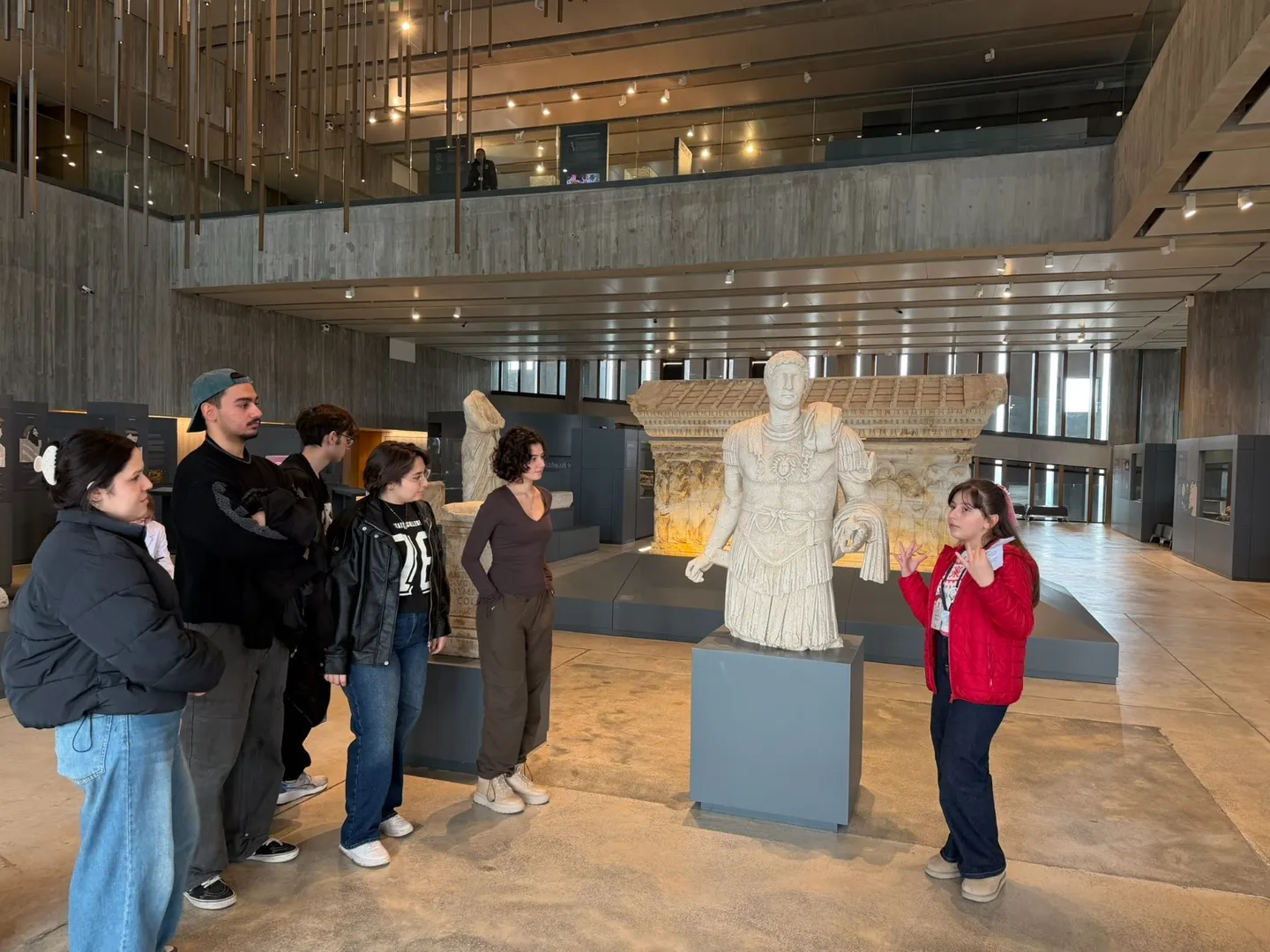
Fifteen children aged between nine and twelve, joined by eight local university students, took over the running of Türkiye's Troy Museum for a day, according to TRT World. The event, held in Canakkale — the region historians identify as the site of the legendary Trojan War — formed part of the annual Museum Takeover Day. Under the guidance of museum staff, the participants assumed roles including museum director, security guard, restoration specialist, archaeologist and cafe manager.
The programme was designed to show that a museum is more than its display cases. According to the report, the young participants were introduced to management and administration, artefact preservation and restoration, security, technical services, visitor relations, guided tours and exhibition design. They also gained insight into the daily work carried out behind the scenes to keep an institution running — the unglamorous labour that visitors rarely see.
Working with artefacts from the museum's collection, along with replicas of sculptures and coins sold in its shop, the children designed their own exhibitions. The report says they learned how to select objects, arrange displays, organise exhibition spaces and develop narratives to present those objects to visitors. A paper-making workshop using recycled waste paper formed part of the programme's sustainability theme, introducing the participants to the reuse of materials and to questions of recycling and efficient use of resources.
The event was not only for children. First-year museum science students from Canakkale Onsekiz Mart University joined as part of their practical studies, observing the museum's departments and taking part in educational activities, applying theoretical knowledge in a professional setting. That combination is notable: the same exercise served both as civic outreach for schoolchildren and as vocational training for future museum professionals.
Museum Takeover Day was first launched in the United Kingdom in 2010 and is now observed by museums in several countries during November, according to the report. Its spread reflects a wider interest among cultural institutions in widening audiences and demonstrating public value at a time when budgets for heritage and education are under scrutiny in many countries.
What the report does not establish is how the Troy Museum measured the day's success, whether the programme will be repeated, or how many other institutions in Türkiye take part. Those details are not yet known. What is confirmed is the format: a small cohort, close supervision by professional staff, and a deliberate attempt to show that the work of preserving the past is itself a craft worth learning.