
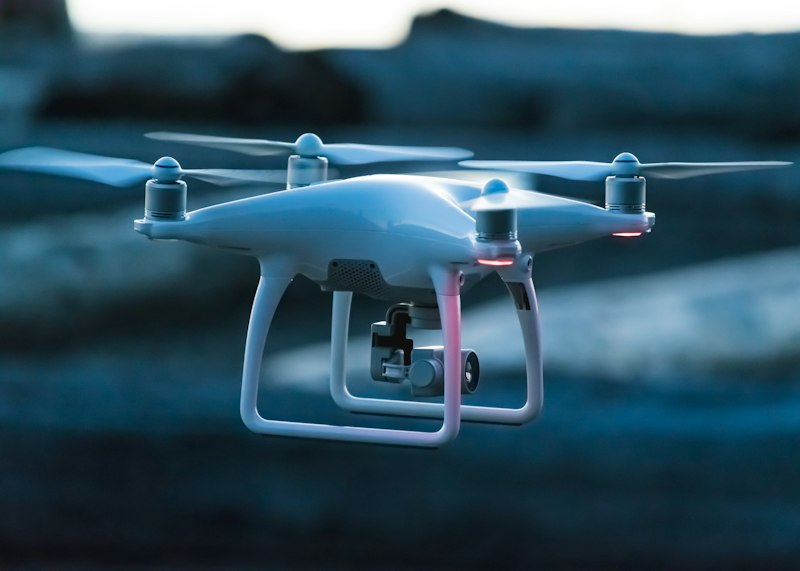
The use of drone technology in warfare has escalated not only the lethality of strikes but also their psychological impact on communities.
The ongoing conflict between Russia and Ukraine has once again revealed its grim reality, as a drone strike in a peaceful park resulted in the tragic loss of six lives, including children. This incident underscores the pervasive risks faced by civilians in conflict zones, particularly in urban environments where the lines between combat and civilian life are increasingly blurred.
In the wake of this attack, it is imperative to recognize the broader implications of such violence. The use of drone technology in warfare has escalated not only the lethality of strikes but also their psychological impact on communities. Children, often viewed as symbols of hope for a peaceful future, are now becoming unwitting victims of a protracted confrontation. This not only creates immense suffering but also sows seeds of resentment and anger, potentially radicalizing a future generation.
Furthermore, the international response to these tragedies must be scrutinized. While condemnation of attacks on civilians is a standard refrain, tangible action to hold perpetrators accountable remains elusive. The ongoing inertia of global governance mechanisms raises questions about the effectiveness of international law in safeguarding human rights amid modern warfare. In this context, the need for a unified and robust response from the international community is more pressing than ever.
The drone strike serves as a stark reminder that military strategies increasingly disregard civilian safety. As both sides continue to engage in high-stakes operations, the moral and ethical dimensions of warfare can no longer be overlooked. The tragic events in Ukraine compel us to reflect on the urgent need for a renewed commitment to protecting civilians and prioritizing their rights in conflict resolution efforts.



