
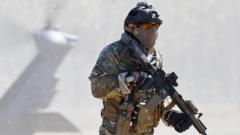
The evolution of tactical units dedicated to rescue operations highlights the dual nature of modern warfare — engagement and preservation of life.
The landscape of modern warfare has necessitated the evolution of tactical units designed not only for engagement but also for the preservation of life amidst the chaos. Among the most critical of these entities are the elite US teams responsible for combat rescues, whose operations often remain shrouded in secrecy yet are vital to the effectiveness of military engagements and humanitarian efforts alike.
These units, primarily comprised of members from the Navy's SEALs, the Air Force's Pararescue Jumpers, and Army Special Forces, are tasked with the formidable responsibility of conducting rescue missions in hostile environments. Their training is rigorous and multifaceted, encompassing advanced medical skills, survival tactics, and specialized combat techniques. This multifarious skill set enables them to operate independently in austere conditions, a necessity given the unpredictable nature of contemporary conflict.
While their operations often capture headlines during high-stakes missions, the broader implications of their work extend into the realms of geopolitics and international relations. Combat rescue teams not only enhance the safety of military personnel but also serve as a tangible symbol of the United States' commitment to its allies and the principles of humanitarianism. Their presence can bolster morale among troops and reassure partner nations, thereby reinforcing strategic alliances in the face of emerging threats.
However, the reliance on these elite units raises critical questions about the evolving nature of warfare and the ethical implications of military intervention. As the U.S. navigates complex geopolitical landscapes, the balance between aggressive military tactics and humanitarian responsibilities must be carefully managed. The actions of these elite teams may shift public perception regarding military operations, highlighting the need for transparency and accountability in their missions.



