
The narratives emerging from Tigray serve as a stark reminder of the human cost associated with modern warfare, underscoring the need for urgent diplomatic intervention.
The northern Tigray region of Ethiopia has become a focal point of conflict where the echoes of drone strikes resonate through the lives of its residents. As the Ethiopian government continues its military campaign against the Tigray People's Liberation Front (TPLF), the civilian population is caught in the crossfire, grappling with the psychological and physical toll of aerial bombardments.
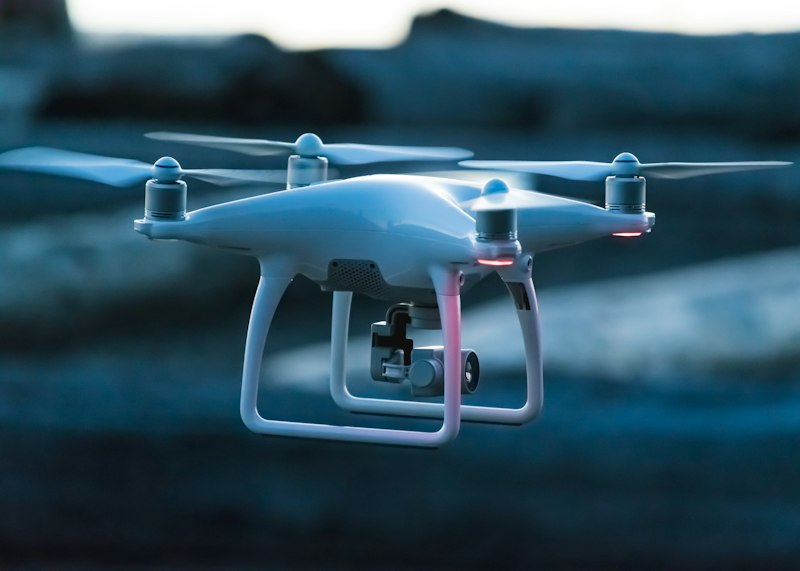
Testimonies from survivors present a chilling portrait of daily life under the constant threat of drone warfare. As these unmanned aerial vehicles scour the skies, the fear they instill permeates communities, forcing residents to alter their routines and live in a state of perpetual anxiety. The shift towards drone operations represents not just a technological evolution in warfare but also a significant change in the nature of civilian risk. Unlike traditional combat, drone strikes often lack clear delineation between combatants and non-combatants, leading to indiscriminate casualties.
International observers and human rights organizations have raised alarms about the implications of such tactics, arguing that they might constitute violations of international law. The Ethiopian government’s reliance on drones can be viewed as a strategy to minimize troop casualties while maximizing the impact of its military operations. However, this method has engendered further animosity among the populace, potentially fueling a cycle of violence that could destabilize the region for years to come.
Moreover, the humanitarian crisis exacerbated by these strikes cannot be understated. With regions already suffering from resource scarcity and infrastructural collapse due to conflict, drone strikes further complicate the delivery of aid. Access to food, medical care, and essential services remains critically impeded, creating a dire situation for civilians who have become collateral damage in a conflict that transcends mere political disputes.
As the international community watches with growing concern, the narratives emerging from Tigray serve as a stark reminder of the human cost associated with modern warfare. It is essential to recognize that behind the headlines of military strategy and geopolitical maneuvering lie real lives, irrevocably altered and often shattered by the relentless march of technology in conflict. The time has come for renewed diplomatic efforts aimed at de-escalation, alongside a commitment to protecting civilian lives in the face of evolving warfare tactics.



