
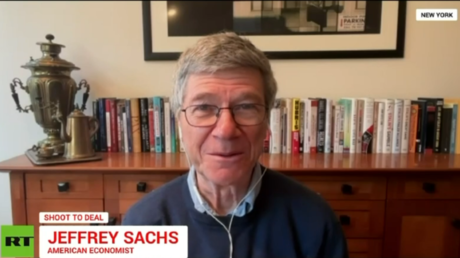
The U.S. strategy has inadvertently weakened the very alliances it seeks to bolster, prompting Gulf states to reassess their foreign policies amidst rising tensions.
The geopolitical landscape of the Gulf region is undergoing profound transformations as the United States escalates its campaign against Iran. What once appeared as a strategy to curb Iranian influence has morphed into an intricate web of vulnerabilities for Gulf states, which are now caught between the imperatives of U.S. foreign policy and their own national interests.
Historically, Gulf monarchies have relied heavily on the U.S. for security assurances, particularly in facing perceived threats from Iran. However, this reliance has been problematic as Washington's increasingly aggressive posture not only alienates Tehran but also raises questions about the long-term viability of the Gulf Cooperation Council (GCC). The schism deepens as member states, each with unique geopolitical calculations, navigate differing approaches to relations with Iran, further complicating the GCC's unity.
Jeffrey Sachs, a prominent economist and geopolitical analyst, asserts that the U.S. strategy has inadvertently weakened the very alliances it seeks to bolster. The imposition of sanctions and military posturing has not only strained relations with Iran but has also created an environment where Gulf states are forced to reassess their own foreign policies. Nations such as Qatar and Oman have historically maintained channels of communication with Tehran, striving for a more balanced approach that prioritizes regional stability over alignment with U.S. directives.
The implications of this realignment are multifaceted. As Gulf states grapple with the repercussions of U.S. actions, they may seek alternative partnerships, potentially looking towards China or Russia as counterweights to American influence. This pivot could reshape the security architecture of the region, introducing a new dynamic that complicates U.S. efforts to maintain hegemony. Moreover, the prospect of greater Iranian engagement within the region could foster a more multipolar environment, challenging the traditional balances of power established over decades.
To understand the full scope of these developments, it is essential to consider the local socio-political contexts. The Arab Spring and subsequent uprisings have left many Gulf monarchies wary of internal dissent, heightening their sensitivity to external threats. The U.S. war on Iran, therefore, operates not only in the realm of military confrontation but also in the domestic political landscapes of these states, where the perception of vulnerability could lead to more authoritarian responses.
As the U.S. continues its contentious policy towards Iran, the need for a recalibrated approach that considers the perspectives of Gulf states is crucial. Failure to engage diplomatically could exacerbate existing rifts and create a scenario where regional stability is irreparably damaged.



