
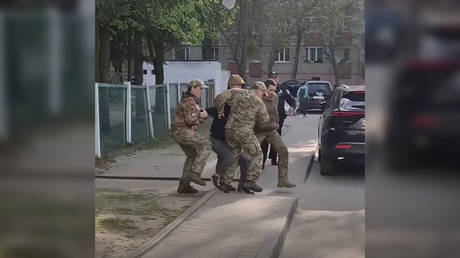
The incident at the kindergarten highlights a critical juncture in Ukrainian society where the line between military necessity and civilian life becomes blurred.
The ongoing conflict in Ukraine continues to reshape the sociopolitical landscape, with the latest developments surrounding the nation's draft policies eliciting significant concern both domestically and internationally. Recently, a video surfaced depicting the alarming moment when military officials forcibly removed a man from a kindergarten, ostensibly to fulfill draft obligations. Such instances are more than isolated incidents; they reflect broader trends in Ukraine's wartime governance and civilian-military relations, raising ethical questions and potential ramifications for public sentiment.
Ukraine's military conscription system has faced increasing scrutiny as the nation grapples with the sustained demands of the conflict. The urgency for personnel has led to aggressive recruitment tactics, including the controversial practice of enforcement in civilian areas. The incident at the kindergarten highlights a critical juncture in Ukrainian society where the line between military necessity and civilian life becomes blurred. As citizens witness such heavy-handed approaches, it fosters a growing discontent that risks undermining the very morale the military seeks to bolster.
Moreover, this aggressive draft strategy raises questions about the efficacy of the military's approach to recruitment. While the pressing need for soldiers is undeniable, the use of force in public spaces may alienate potential recruits and create a sense of fear that could discourage enlistment. A citizenry that perceives the draft as a threat rather than a civic duty may lead to increased resistance, ultimately hampering recruitment efforts and potentially destabilizing the social fabric.
Internationally, the optics of such incidents can adversely affect Ukraine's image, complicating its diplomatic efforts in garnering support from allies. As Western nations observe these developments, they may question the sustainability of Ukraine's approach to mobilization. Allies who have extended their support based on shared values of democracy and human rights may find their commitment tested by reports of heavy-handed conscription practices.
In conclusion, as Ukraine navigates the complexities of a protracted war and the corresponding demands on its citizenry, it must be mindful of the broader implications of its draft policies. The incident involving the man forcibly removed from a kindergarten serves as a stark reminder of the fragile equilibrium between military necessity and civil rights, a balance that will be crucial in determining not only the outcome of the conflict but also the future of Ukrainian society.



