
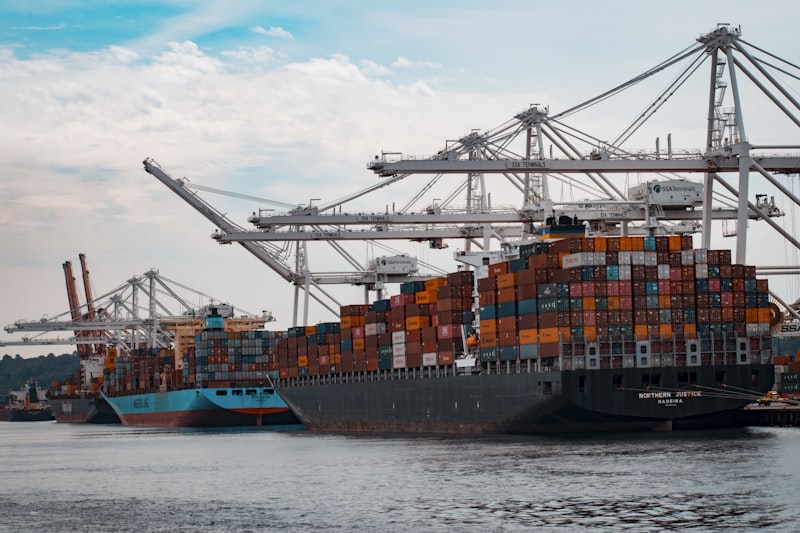
The U.S. Navy's blockade along Iran's coastline signals a recalibration of military strategy aimed at curbing Iranian influence in maritime operations.
The recent remarks by a top U.S. general regarding the Navy's operational focus along the Iranian coastline, rather than the highly strategic Strait of Hormuz, signal a significant recalibration of American military strategy in the Persian Gulf. This development comes at a time of heightened tensions between Iran and the United States, suggesting a proactive approach aimed at curbing Iranian influence and activity in critical waterways.
Historically, the Strait of Hormuz has been regarded as the epicenter of global oil transport, with around 20% of the world's crude oil passing through its narrow confines. However, the shift to a broader blockade strategy underscores a nuanced understanding of maritime control, as U.S. forces aim to disrupt Iranian maritime logistics more effectively. This could involve monitoring and interdicting not just tankers but also smaller vessels that are used for smuggling or military logistics.
From a geopolitical perspective, the blockade represents an escalation in the U.S. stance against Iranian provocations. The implications are multifaceted: while it may deter Iran's military maneuvers and reduce its naval capabilities, it risks further antagonizing Tehran and could provoke retaliatory measures. Iran's response to such blockades has historically included asymmetric tactics, potentially increasing the risk of conflict in the region.
Moreover, this strategic shift raises questions about the effectiveness and sustainability of U.S. military presence in the Gulf. As global energy dynamics evolve and alternative routes for oil transport are explored, the traditional reliance on the Strait of Hormuz may diminish, altering the strategic calculus for both U.S. and Iranian military operations. The U.S. must weigh the potential for increased Iranian aggression against the long-term benefits of a more secure maritime environment.



