
The psychological impact of these losses could embolden adversarial forces within Iran, who may interpret U.S. setbacks as opportunities to escalate their own operations.
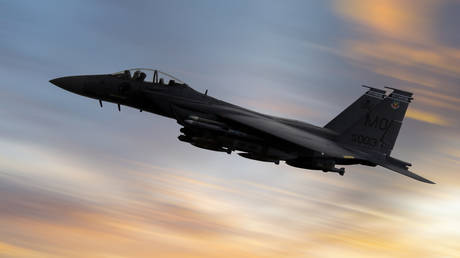
The recent reports of U.S. aircraft losses during military operations in Iran highlight a pivotal moment in the ongoing conflict, which has significant implications for both American military strategy and regional stability in the Middle East. As the situation evolves, it is crucial for policymakers to analyze the operational challenges faced by U.S. forces and the broader geopolitical ramifications that such losses entail.
Initial assessments indicate that the downed aircraft—whether due to enemy fire, mechanical failure, or other operational difficulties—represent not just a loss of material but also a potential shift in the military balance within the region. The U.S. has long relied on air superiority as a cornerstone of its military doctrine, and the implications of losing aircraft in hostile territories cannot be overstated. This situation raises questions about the effectiveness of current military strategies and necessitates a reassessment of U.S. engagement in Iran.
Moreover, the psychological impact of these losses could embolden adversarial forces within Iran and its allied militias, who may interpret U.S. setbacks as opportunities to escalate their own operations. Such a dynamic risks further destabilizing an already volatile environment, potentially leading to an escalation of hostilities that could draw in regional powers. As Iran continues to bolster its military capabilities, the U.S. must consider not only its immediate tactical responses but also the long-term strategic consequences of an increasingly adversarial stance.
In light of these developments, it is imperative for U.S. leadership to engage in transparent communication with both domestic and international audiences to mitigate concerns about military efficacy and regional security. Clarity regarding operational goals and the implications of aircraft losses is essential to maintaining both public support and strategic partnerships in the region. As the narrative surrounding U.S. military engagements evolves, the necessity for a recalibrated approach to the Middle East becomes increasingly apparent.



