
As robotics continue to evolve, the lines between human and machine performance are becoming increasingly blurred.
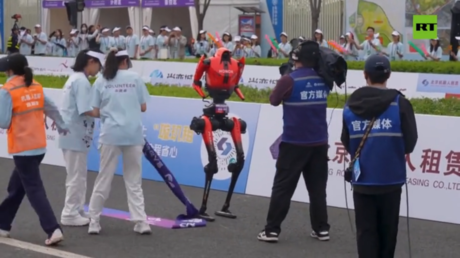
In a remarkable demonstration of technological prowess, a robot developed in China has shattered the world record for the half-marathon, a feat that has set the global sporting community abuzz. This achievement raises not only questions about the future of athletics but also about the intersection of technology, human capability, and the ethics of competition.
The robot, equipped with advanced algorithms and high-precision engineering, completed the race in a time that far surpasses the previous human record. This milestone is emblematic of a broader trend where artificial intelligence and robotics are increasingly encroaching on domains traditionally dominated by humans. The implications extend beyond mere record-setting; they touch on the essence of what it means to compete and excel.
While the world celebrates this technological advancement, it is paramount to consider its implications on competitive sports. As robotics continue to evolve, the lines between human and machine performance are becoming increasingly blurred. This raises critical questions about the future of athletic competitions: Will records set by machines be recognized in the same way as those achieved by human athletes? What does it mean for the integrity of sports when machines can outperform the best human athletes?
Moreover, this development prompts a reflection on the societal values we place on achievement and competition. As we witness machines surpassing human capabilities, we must ask ourselves whether we are ready to embrace a future where the essence of sport is redefined. The relationship between humans and machines is evolving, and as we move forward, a balanced discourse on ethics, motivation, and the spirit of competition will be vital.



