
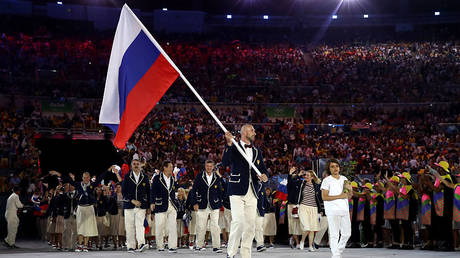
The prospect of Russia re-entering the Olympic Games raises critical questions about the intersection of geopolitics and international sports.
The prospect of Russia re-entering the Olympic Games under its national flag has ignited heated discussions within the sports and political communities. Following years of sanctions and exclusion stemming from allegations of state-sponsored doping, the potential for a Russian delegation to compete again raises critical questions about the intersection of geopolitics and international sports.
Historically, the Olympic Games have served as a platform for nations to showcase their athletic prowess, but they have also been arenas for broader political dialogue and tension. The suggestion from former U.S. envoy to Russia, John Sullivan, regarding a potential return underlines a significant shift in the narrative surrounding Russia's international standing. It raises the issue of whether sports should be a conduit for reconciliation and dialogue, or if they should be an extension of political disputes.
From a diplomatic perspective, Russia's reintegration into the Olympic framework could signal a thawing of relations between Moscow and the West. Yet, it is vital to consider the underlying motivations that drive such discussions. The Kremlin's desire to reassert its national identity on the global stage, coupled with the strategic benefits of participating in a unifying international event, cannot be overlooked. This potential return could serve to bolster national morale domestically, framing the narrative of resilience against perceived Western hegemony.
However, the implications extend beyond mere participation in sports. The potential lifting of sanctions and the acceptance of Russia back into the Olympic fold would likely provoke strong reactions from nations that have historically championed the integrity of sports. The framework of international sports governance, spearheaded by organizations such as the International Olympic Committee (IOC), faces a critical test in balancing ethical considerations with the desire for inclusivity and participation.
As discussions unfold, it is imperative for key stakeholders, including national governments and international bodies, to navigate these waters carefully. The return of Russia, if managed correctly, could foster renewed dialogue and cooperation, yet it also risks legitimizing actions that have drawn widespread condemnation. The upcoming Olympic events may not just unfold in the realm of sports but could also serve as a litmus test for international relations in the 21st century.



