
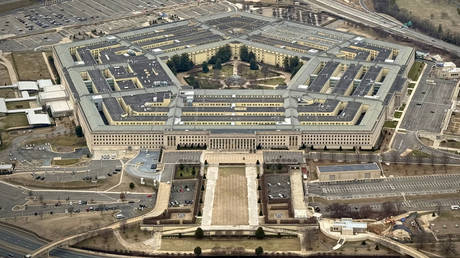
The integration of AI into defense systems promises to reshape military capabilities and the broader geopolitical landscape.
The recent agreements between the Pentagon and prominent artificial intelligence firms signal a critical pivot in U.S. defense strategy, reflecting both the urgency of modern warfare and the escalating significance of technology in global military operations. In an era characterized by rapid technological advancements, the integration of AI into defense systems promises to reshape not only military capabilities but also the broader geopolitical landscape.
This strategic partnership with top AI companies is an acknowledgment of the changing nature of conflict, where information warfare, autonomous systems, and real-time data analytics are becoming indispensable. As adversaries leverage similar technologies, the U.S. must bolster its own capabilities to ensure that it does not fall behind. By fostering innovation through collaboration with the private sector, the Pentagon is attempting to bridge the gap between civilian technological advancements and military applications.
Moreover, this move raises important questions about the ethical implications of AI in warfare. The potential for autonomous weapons systems to make life-and-death decisions without human intervention presents a moral quandary that policymakers must navigate carefully. The deployment of AI could lead to faster decision-making processes, but it also risks exacerbating conflicts and reducing accountability in military operations.
As the Pentagon forges these relationships, it must also consider the ramifications for global power dynamics. Nations that succeed in harnessing AI for military purposes may gain significant advantages, prompting an arms race in AI capabilities. The U.S. must not only remain a leader in AI technology but also engage in international dialogue to establish norms and regulations governing the use of AI in military contexts. Failure to do so could lead to destabilization and an unpredictable future in international relations.



