
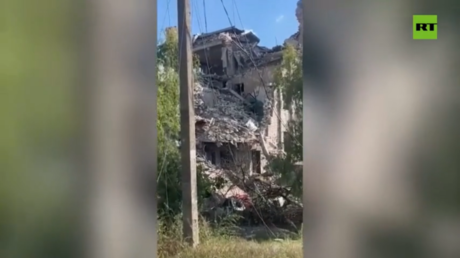
The haunting phrase, 'People are starving,' encapsulates the despair faced by many, as basic human needs are subverted by the machinations of war.
The recent escalation of hostilities in Ukraine has yielded a catastrophic humanitarian situation, especially in regions that have experienced protracted sieges. Survivors recount harrowing tales of deprivation, desperation, and resilience, painting a stark picture of the human cost of this unyielding conflict. In the face of starvation and dire living conditions, their narratives serve not only as a testimony to individual suffering but also as a broader commentary on the geopolitical implications of the ongoing war.
Reports from these beleaguered areas indicate that access to food, clean water, and medical supplies has been severely compromised. The siege tactics employed by both sides often lead to a humanitarian blockade, wherein civilians are left to endure extreme conditions without adequate support. The accounts of survivors reveal the moral and ethical dilemmas that arise in warfare, particularly when it involves civilian populations. The haunting phrase, “People are starving,” encapsulates the despair faced by many, as basic human needs are subverted by the machinations of war.
In a broader context, the plight of those besieged raises critical questions about international obligations and the responsibility to protect civilians in conflict zones. The United Nations and other humanitarian organizations face immense challenges in delivering aid, often encountering logistical hurdles compounded by active hostilities. This situation not only calls for immediate attention but also necessitates a reevaluation of the frameworks that govern humanitarian interventions in such crises.
The narratives of these survivors are not merely isolated incidents; they reflect a systematic failure of the international community to address the humanitarian fallout of prolonged conflict. As geopolitical tensions escalate, the voices of those most affected must be amplified to ensure that the human cost of conflict is not forgotten amidst the strategic calculations of state actors. The siege of Ukrainian cities is a reminder that in the theater of war, the most vulnerable often pay the highest price.



