
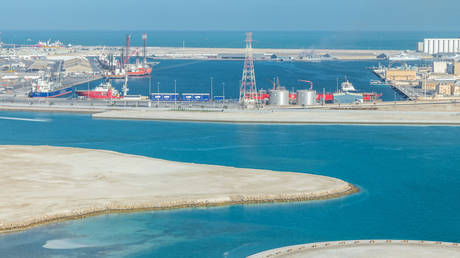
The staggering financial footprint of $58 billion for reconstruction underscores the urgent need for strategic engagement to avert further instability in the region.
The ongoing geopolitical struggles surrounding Iran have left a staggering financial footprint, with estimates suggesting a $58 billion price tag for reconstruction across the region. This figure not only highlights the immediate costs of war but also underscores the longer-term implications for regional stability and economic development.
In light of these developments, it is crucial to consider the broader context of this financial burden. Armed conflicts in and around Iran have historically disrupted trade routes, destabilized neighboring economies, and created waves of humanitarian crises. The financial implications of rebuilding infrastructure, homes, and essential services in a post-conflict environment will place immense pressure on both Iranian resources and the broader regional economy.
The international community must grapple with the dilemma of engagement versus isolation. Supporting Iran’s reconstruction efforts could potentially stabilize the region and curb the cycle of conflict, yet such actions could also be seen as tacit approval of Iran’s controversial policies. This complex interplay of interests complicates international responses and raises questions about the efficacy of sanctions and diplomatic strategies aimed at containing Iranian influence.
Moreover, the economic ramifications extend beyond mere dollars and cents. The potential for increased resource allocation toward reconstruction may divert investment from critical social programs and economic diversification, leading to a cycle of dependency on foreign aid and stunting long-term growth. As regional players assess their strategic objectives, the path forward remains fraught with uncertainty.



