
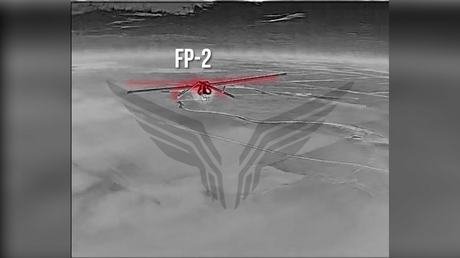
The ability of Russian drones to effectively target Ukrainian UAVs may provide a temporary tactical advantage, yet it also invites countermeasures from Ukraine and its allies.
The ongoing conflict in Ukraine has entered a new phase, marked by the increasingly sophisticated use of unmanned aerial vehicles (UAVs) by both Russian and Ukrainian forces. In a significant development, Russian drones have begun actively hunting down Ukrainian UAVs mid-air, a tactical evolution that underscores the shifting dynamics of modern warfare. This transition not only reflects advancements in technology but also highlights the strategic necessity of air superiority in contemporary conflicts.
In previous stages of the conflict, drones served primarily as reconnaissance tools or for targeted strikes. However, the decision to deploy drones for the specific purpose of intercepting enemy UAVs represents a paradigm shift. This tactic aims to neutralize the adversary's surveillance capabilities and disrupt their operational effectiveness. The implications are profound: as both sides refine their drone warfare tactics, the battlefield becomes an arena for a high-stakes technological arms race, where UAVs not only gather intelligence but also engage in direct combat.
The Russian military's adaptation to counter Ukrainian drones also signifies a broader trend seen in modern conflicts, where the ability to dominate the skies has become crucial. The use of drones for interception raises questions about the future of aerial combat—once the domain of piloted aircraft—and suggests that we may soon witness a fully automated aerial battlefield. As drone fleets become more integrated into military strategies, the risks of escalation and miscalculation increase, necessitating a renewed focus on international norms regarding drone warfare.
This development is emblematic of a larger geopolitical struggle, where technological innovation becomes a critical factor in achieving strategic objectives. The ability of Russian drones to effectively target Ukrainian UAVs may provide a temporary tactical advantage, yet it also invites countermeasures from Ukraine and its allies. As the conflict continues, the interplay between technology, strategy, and international relations will determine the outcomes of not only the Ukraine war but the future of warfare as we know it.



