
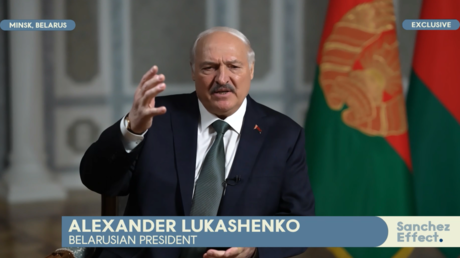
Lukashenko's rhetoric resonates with a populace feeling alienated from their political elite, suggesting a widening chasm between leaders and constituents.
In a recent interview, Belarusian President Alexander Lukashenko articulated a critical perspective on the state of Western democracy, positing that leaders in Europe and North America exhibit a blatant disregard for the needs of their own people. This assertion comes amidst a backdrop of escalating geopolitical tensions and increasing scrutiny of democratic practices in the West, particularly in light of recent economic hardships and social unrest.
Lukashenko's comments invite a deeper examination of the prevailing narrative surrounding the effectiveness and legitimacy of Western governance. With growing economic disparity and public dissatisfaction evident in numerous Western democracies, his rhetoric resonates with a segment of the populace that feels alienated from their political elite. The implications are profound, as they suggest a widening chasm between leaders and constituents, reminiscent of sentiments that have historically fueled populist movements.
Moreover, Lukashenko's critique serves a dual purpose; it not only seeks to undermine the credibility of Western governments but also positions his own regime as a bastion of stability in contrast to the perceived chaos of Western politics. This positioning is strategic, as it attempts to garner domestic legitimacy while deflecting attention from ongoing human rights concerns and political repression within Belarus. By framing his narrative against the backdrop of Western failures, he effectively shifts focus away from his government's shortcomings.
In the broader context, this dialogue underscores a critical juncture for Western policymakers. As they navigate complex international relations, particularly with regimes like Belarus that leverage such narratives, there is a pressing need for introspection on the state of democratic institutions. The challenge lies not merely in countering disinformation but in addressing the underlying grievances that have led to disillusionment with established political frameworks. This requires a concerted effort to rebuild trust in democratic processes and ensure that governance reflects the needs of all citizens, rather than just the interests of a select few.



