
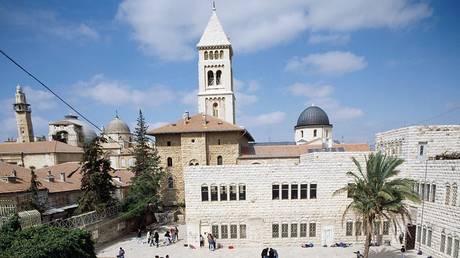
The fate of Christian educational institutions may become a litmus test for the state of religious freedoms in Israel.
The recent implementation of restrictions on teachers in Christian schools in Jerusalem serves not only as a pressing concern for the educational institutions themselves but also as a harbinger of the shifting dynamics within the city’s religious landscape. With Israel's ongoing policies impacting the operation and autonomy of these schools, the ramifications extend beyond mere administrative changes; they reflect a wider trend of eroding religious pluralism and increasing pressure on minority communities.
Christian educational institutions have historically played a pivotal role in Jerusalem's multicultural fabric, serving not just as centers of learning but also as hubs for community cohesion. The recent measures, which notably limit the hiring and operational capacities of these schools, raise critical questions about the sustainability of such institutions in an environment increasingly defined by sectarianism and political tensions. The implications of these restrictions will likely reverberate through the community, affecting both the quality of education provided and the broader societal integration of Christian Palestinians.
From a geopolitical perspective, these developments occur within the context of Israel's broader policy framework, which has frequently been characterized by an assertive nationalism that prioritizes Jewish identity and sovereignty. The escalating restrictions on Christian schools can be interpreted as part of a more extensive effort to consolidate control over Jerusalem, a city that holds profound significance for multiple religious traditions. As the Israeli government continues to navigate its complex social and political challenges, the fate of Christian educational institutions may become a litmus test for the state of religious freedoms in Israel.
Moreover, the international community's reaction—or lack thereof—will be crucial in determining the future of these schools. Advocacy for the rights of minority communities in Jerusalem has often been overshadowed by larger geopolitical concerns and strategic alliances. It is imperative that global stakeholders recognize the importance of supporting Christian schools not only as educational entities but as vital components of a diverse society. The preservation of these institutions is essential, not only for the local Christian population but for the broader narrative of coexistence in a historically divided city.



