
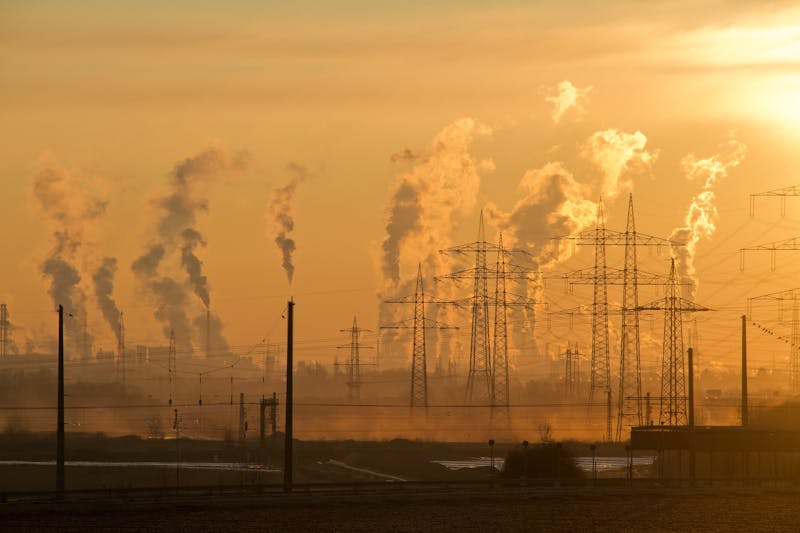
The sweetness of sugar does not come without its costs, as the industry grapples with labor exploitation and environmental degradation.
In the complex tapestry of global agriculture, sugar stands out not only as a staple food product but also as a potent symbol of broader economic and geopolitical dynamics. The sugar industry, often romanticized for its sweetness, is marred by a bitter reality involving labor exploitation, environmental degradation, and volatile market forces. As nations grapple with burgeoning demand for sugar, the implications stretch far beyond the fields where it is cultivated.
The production of sugar is concentrated in a few key regions, predominantly in the Global South, where economic disparities create fertile ground for exploitation. Countries such as Brazil, India, and Thailand dominate the sugar market, yet the wealth generated often fails to reach the laborers who toil in harsh conditions for meager wages. This exploitation raises critical questions about corporate responsibility and the moral obligations of consumers in the Global North who demand ever-cheaper sugar products.
Moreover, the environmental costs of sugar production cannot be overlooked. The monoculture practices prevalent in sugarcane farming contribute to soil degradation, deforestation, and biodiversity loss, exacerbating the climate crisis. As sugarcane fields expand to meet global demand, the ecological footprint grows, threatening the very ecosystems that sustain agricultural productivity. Policymakers must grapple with the challenge of balancing economic growth with environmental stewardship, a task that is increasingly difficult in a world facing the acute impacts of climate change.
In light of these challenges, the international community must reconsider its approach to the sugar trade. Sustainable agricultural practices, fair trade certification, and stricter labor regulations are essential to ensure that the sweetness of sugar does not come at an unbearable cost. As consumers become more aware of the implications of their purchasing choices, there is a growing demand for transparency in supply chains and ethical sourcing practices. The future of sugar production hinges not only on economic factors but also on the ethical considerations that will shape consumer behavior in the years ahead.



