On the evidence available, the refunds are doing little to reverse the price increases that consumers were told the tariffs made necessary.
Several American companies that received refunds after paying Donald Trump's tariffs have directed some of those funds towards corporate bonuses rather than reimbursing consumers, according to an investigation by ProPublica. The outlet reports that, after analysing securities filings and earnings calls, it identified at least nine companies receiving tariff refunds that said they were channelling some of the money to their leadership.
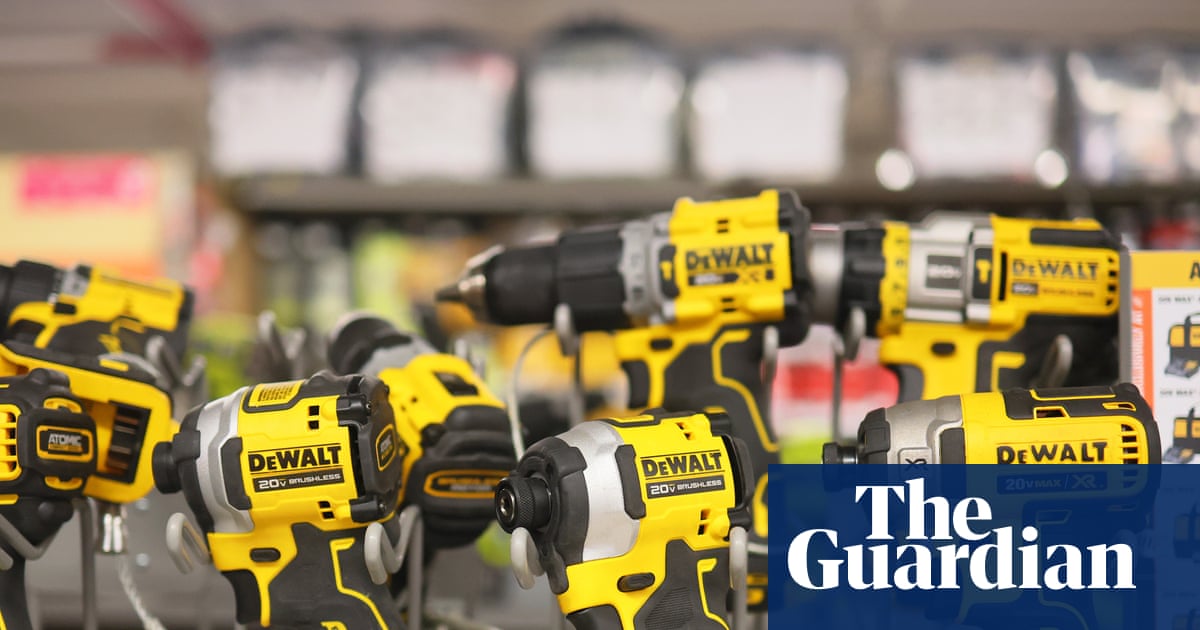
Stanley Black & Decker, the toolmaker whose household products include vacuums, electric drills and measuring tapes, told consumers it had been forced to raise prices because of the import fees, ProPublica reported. The company is expected to receive at least $298m in tariff reimbursements and indicated that some of it will go to bonuses. Executives at TJMaxx and Marshalls, the discount department stores, said the same, according to the report. In its financial disclosures, Stanley Black & Decker said the refund it received "was partially offset by directly attributable costs for variable incentive compensation". The three companies did not immediately respond to requests for comment, the Guardian reports.
The sums involved are substantial. The Trump administration has refunded at least $100bn to companies since August, about 60% of roughly $131bn in tariffs, after the Supreme Court ruled that the president's "Liberation Day" tariffs were illegal. The court found the tariffs overstepped executive authority and should have required congressional approval. Some companies sued the government for refunds immediately after the ruling, though Trump signalled he would "remember" which firms requested reimbursements and praised those that held off. According to ProPublica, the administration has not specified which companies are receiving refunds, despite requests for the information.
The distribution of the money matters because the public case for the tariffs rested partly on the claim that foreign exporters would bear the cost. Research suggests otherwise. The New York Federal Reserve estimated that 26% of tariff increases pass through to consumer prices, and the Yale Budget Lab estimated that tariffs cost households about $900 annually under current laws. ProPublica found that almost all the companies that have publicly said they will use reimbursements to refund customers deal directly with other businesses rather than consumers; others have stayed vague about whether the funds will lower prices or merely hold back future increases.
The politics are already visible. Tariffs are among several Trump economic policies that have proven unpopular with voters, reflected in the widespread Democratic victories in the November midterms. A year after the tariffs were announced, a Pew Research Center survey found that 63% of Americans felt little or no confidence in his handling of them. In the Associated Press's survey of more than 100,000 midterm voters, two-thirds said Trump's decisions had fuelled inflation.
What remains unconfirmed is the full scale of the practice. ProPublica's count of nine companies is a floor, not a ceiling, and the administration has not disclosed the recipients of the refunds, so the total share reaching executive pay cannot be established from the public record. The companies named have not responded. On the evidence available, the refunds are doing little to reverse the price increases that consumers were told the tariffs made necessary.