
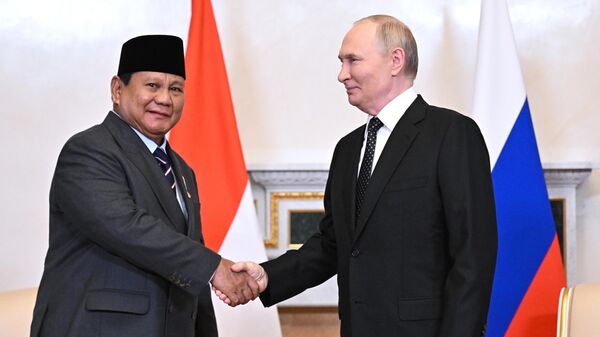
The meeting between Putin and Prabowo highlights Indonesia's strategic importance in a rapidly changing geopolitical landscape.
The recent discussions between Russian President Vladimir Putin and Indonesian Defense Minister Prabowo Subianto mark a significant moment in the evolving geopolitical landscape of Southeast Asia. As both nations navigate the complexities of international relations, this dialogue not only reflects their respective national interests but also hints at a broader potential for strategic alignment in a multipolar world.
Indonesia, as the largest economy in Southeast Asia and a key player in the ASEAN framework, holds a unique position that attracts global powers. By engaging with Russia, Prabowo Subianto is not merely seeking defense cooperation but is also positioning Indonesia as a pivotal actor in regional security matters. This is particularly pertinent given Indonesia's recent efforts to expand its military capabilities and strengthen its defense posture amid rising tensions in the Indo-Pacific.
On the other hand, Putin's outreach to Indonesia comes at a time when Russia seeks to reinforce its ties with non-Western nations in the face of increasing isolation from the West due to sanctions and geopolitical adversities. Strengthening relations with a member of the G20 could provide Russia with more leverage in international forums and potentially access to key resources and markets in Southeast Asia.
Moreover, this dialogue occurs against a backdrop of shifting alliances and burgeoning economic partnerships in the region, underscoring the importance of Indonesia as a counterbalance to Western influence in Asia. The discussions may pave the way for future collaborations in areas such as defense technology, energy cooperation, and trade, which could significantly alter the regional balance of power.



