
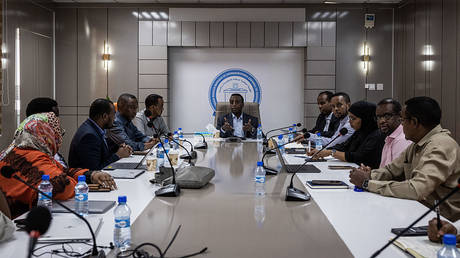
The forthcoming presidential election reflects not only Somalia's internal dynamics but also broader geopolitical interests in the Horn of Africa.
In a significant development for the Horn of Africa, Somalia has announced a date for its long-awaited presidential election, a move that signals a critical juncture in its political landscape. The election, initially scheduled for earlier this year, was postponed multiple times due to ongoing security concerns and political disagreements among various factions. This delay has not only frustrated the electorate but has also drawn the attention of regional and international stakeholders concerned about the stability of this strategically important nation.
The announcement of the election date comes at a time when Somalia is grappling with a multitude of issues, including entrenched clan rivalries, the persistent threat of terrorism from groups such as Al-Shabaab, and the implications of the ongoing humanitarian crisis exacerbated by drought and displacement. Each of these factors plays a critical role in shaping the electoral environment, raising questions about the feasibility of a free and fair election. Furthermore, the electoral process is intricately linked to the broader geopolitical dynamics in the region, particularly the interests of neighboring countries and global powers.
International observers have long urged the Somali government to prioritize political stability and democratic governance as a pathway to securing aid and investment. The upcoming election is viewed as a litmus test for the government's commitment to reform and legitimacy in the eyes of its citizens. However, logistical challenges remain significant, including voter registration and the security of polling stations, which are crucial for the integrity of the electoral process.
Moreover, the election's outcome will likely have far-reaching implications not only for Somalia but for the broader region. A successful election could pave the way for enhanced international engagement and support, while a failure could exacerbate already fragile conditions, leading to further instability and conflict. As such, the stakes are high, making it imperative for all involved parties to recognize the importance of this moment in Somali history.



