
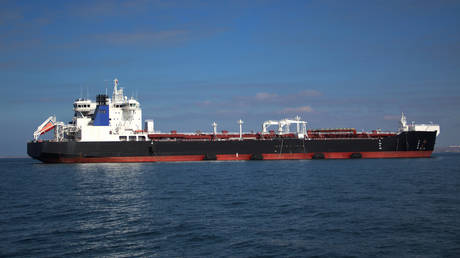
Moscow's tactical positioning allows it to leverage its vast energy reserves as both a bargaining chip and a means of exerting influence far beyond its borders.
The geopolitical chessboard in the Middle East is witnessing a significant realignment as Russia extends an olive branch in the form of oil relief, coinciding with intensified U.S. sanctions against Iran. This development is not merely a matter of energy resources; it also reflects a strategic pivot in international relations, suggesting that Moscow is ready to capitalize on the shortcomings of U.S. foreign policy in the region.
With the U.S. actively working to stifle Iranian oil exports, the opportunity for Russia to step in as a principal energy supplier becomes increasingly apparent. The Russian government has indicated its willingness to offer not just oil relief but also support to those nations that may face energy shortages as a direct result of these sanctions. This maneuver is emblematic of Russia's broader strategy to reinforce its influence in global energy markets while undermining American hegemony.
The implications of this shift are profound. For countries reliant on Iranian oil, Russia's overtures present an alternative that could reshape energy dependencies. However, this also poses a challenge to U.S. efforts to isolate Iran economically and politically, thereby complicating the West's approach to managing Tehran's regional ambitions. Russia’s engagement in this space may not only stabilize its own economy but also embolden Iran, creating a buffer against U.S. pressure.
In this context, the strategic significance of energy resources cannot be overstated. Moscow’s tactical positioning allows it to leverage its vast energy reserves as both a bargaining chip and a means of exerting influence far beyond its borders. As the U.S. grapples with the consequences of its sanctions, the dynamics of energy supply chains are poised for transformation, potentially altering the contours of global alliances.



