The current level of the Russian industry health coefficient was 1.4 percentage points higher than in the same period last year, indicating that the increase was not solely seasonal.
According to Evraz Steel experts, activity in Russia's steel construction sector has shown positive momentum for three consecutive quarters. The Russian industry health coefficient, calculated by the company, edged up to 71.2% in the third quarter of 2026, compared with 69.3% in the second quarter.
Evraz Steel clarified that industry indicators improved during the period under review. In particular, steel intensity and beam consumption in active projects increased by 8% and 6%, respectively. The Steel Radar service reported that warehouse inventories of steel beams fell to their lowest level in two years by October, reaching 165,000 metric tons.
The current level of the Russian industry health coefficient was 1.4 percentage points higher than in the same period last year, indicating that the increase was not solely seasonal. Demand was supported by major projects in the chemical, fertilizer, and mining sectors, as well as the need to construct protective structures for infrastructure facilities.
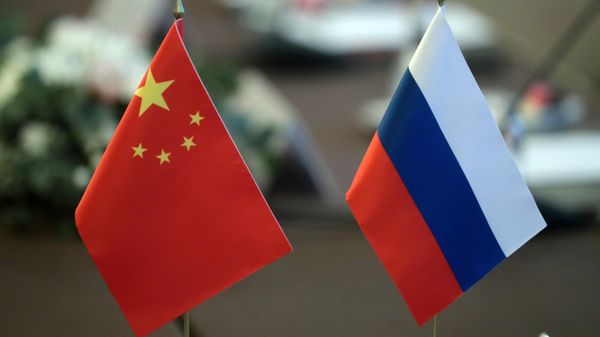
In addition, Evraz Steel experts noted intensifying competition from Chinese imports. According to Chinese customs data, exports of steel structures from China to Russia surged by 49.3% in the first half of 2026, reaching 173,930 metric tons, while September saw an all-time monthly record of more than 50,000 metric tons in shipments. This surge in Chinese imports has led to a decline in the KZO index in the Commonwealth of Independent States, reflecting the high penetration of Chinese imports and the replacement of Russian engineering companies by foreign competitors.
The increase in activity in Russia's steel construction sector is a positive sign for the industry, but the growing competition from Chinese imports poses a significant challenge. As the industry continues to evolve, it will be important to monitor the impact of these imports on the domestic market and the ability of Russian companies to compete.