Port infrastructure matters because it sits at the intersection of military logistics and Ukraine's export economy, and repeated strikes on such sites carry consequences beyond the battlefield.
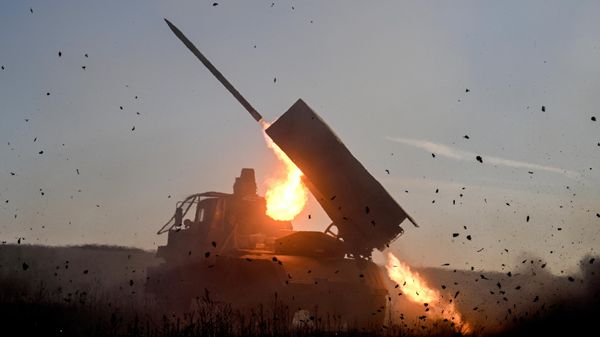
Russia's defence ministry reported on 3 November that its forces struck port infrastructure facilities used by the Ukrainian army over the previous 24 hours, according to TASS. The statement, quoted by the news agency, said operational and tactical aircraft, attack drones, missile troops and artillery hit port sites, locations for the launch and storage of unmanned aerial vehicles, and what the ministry described as temporary deployment areas of Ukrainian formations and foreign mercenaries across 144 locations.
The same statement claimed that Russian air defence intercepted and destroyed 1,265 Ukrainian drones and four Neptune missiles during the day. That figure is striking in its scale. If accurate, it would suggest an intense exchange of unmanned systems, with Ukraine pressing a large-volume drone campaign and Russia committing substantial air defence resources to countering it. The ministry's daily summaries do not provide a breakdown of where interceptions took place or what damage, if any, was caused by drones that got through.
The ministry also put Ukrainian troop losses at roughly 1,105 across all frontline areas in the past 24 hours, with the heaviest toll attributed to the Centre group of forces at about 340. It reported smaller figures for the North, West, South, East and Dnepr groupings, alongside claims of improved tactical positions and advances into Ukrainian defences near a long list of settlements in the Kharkov, Sumy, Donetsk, Dnipropetrovsk and Zaporizhzhya regions.
These are Russian official claims, issued through a state news agency, and they cannot be independently verified. Casualty figures from either side in this war have consistently been treated with caution by outside analysts, and the daily totals published by the defence ministry are not corroborated by neutral monitors. The same applies to the reported drone and missile intercepts, where no independent confirmation is available.
What the report does indicate is the shape of the war as winter approaches. Port infrastructure matters because it sits at the intersection of military logistics and Ukraine's export economy, and repeated strikes on such sites carry consequences beyond the battlefield. The emphasis on drone launch and storage sites, and on the sheer number of intercepts claimed, points to a conflict increasingly defined by unmanned systems on both sides. Whether the reported figures reflect reality or are inflated for domestic consumption is not something this report can establish. What is clear is that Moscow wants the scale of the drone threat, and its response to it, to be seen.