
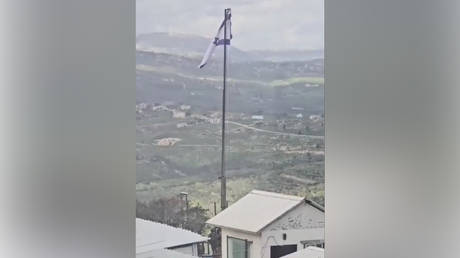
The act of flag planting can be interpreted as a symbolic assertion of sovereignty, which undermines the neutrality essential for peacekeepers to function effectively.
The recent decision by the Israel Defense Forces (IDF) to plant flags in proximity to United Nations peacekeeping positions has sparked serious debate regarding the safety of these international forces and the broader implications for peace in the region. This provocative act not only demonstrates the IDF's ongoing assertiveness in contested areas but also raises alarms about the potential for escalation in an already volatile environment.
UN peacekeepers, tasked with maintaining stability in conflict zones, operate under the principle of impartiality, a tenet jeopardized when host nation military forces assert territorial claims in such a manner. The act of flag planting can be interpreted as a symbolic assertion of sovereignty, which undermines the neutrality that is essential for peacekeepers to function effectively. This development could provoke retaliatory actions from local groups, thus endangering the lives of peacekeepers and exacerbating tensions between conflicting parties.
Moreover, the situation reflects a broader trend where military actions are increasingly intertwined with national narratives. The IDF's maneuver is emblematic of the Israeli government's strategy to reinforce territorial claims, particularly in contested areas where the presence of international forces complicates military operations. This creates a paradox where the UN's role as a stabilizing force is undermined by the very actors it seeks to mediate between.
The geopolitical ramifications of these actions are profound. As Israel continues to assert its claims, neighboring states and non-state actors may feel compelled to respond, thereby heightening the risk of military engagement. The international community must scrutinize these developments closely, assessing not just the immediate risks to peacekeepers, but also the longer-term implications for regional security and diplomacy.



