
The sum is therefore significant less for its size than for what it concedes.
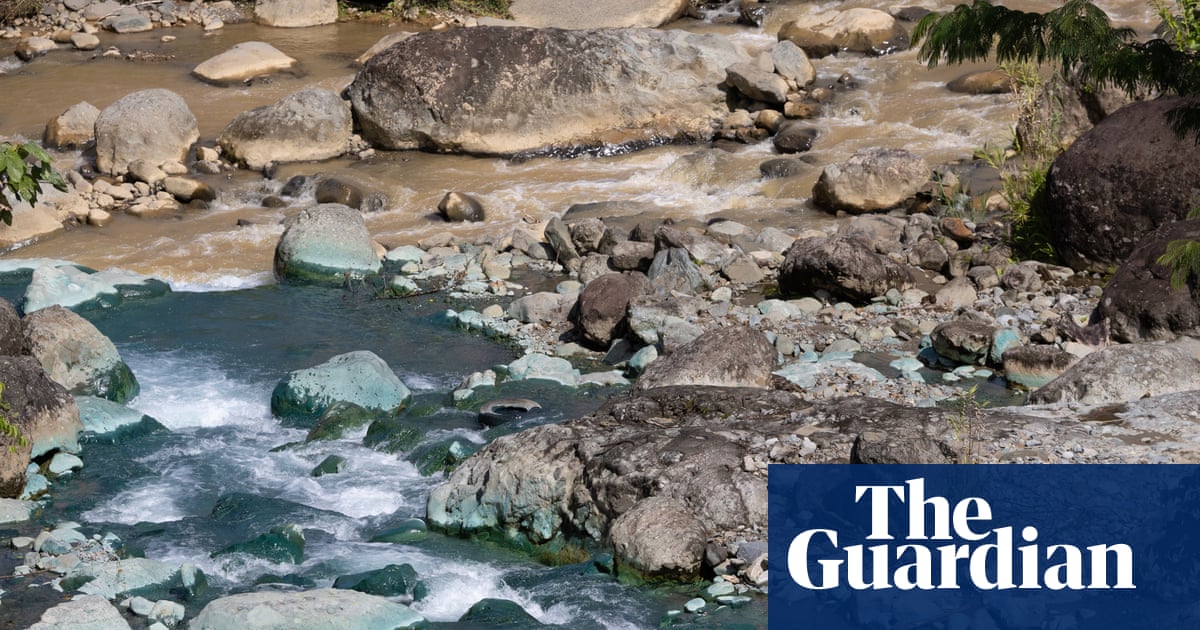
Rio Tinto has agreed to pay US$250m to begin repairing the damage left by the Panguna copper and gold mine in Bougainville, according to The Guardian. The mine, carved from a mountain in the centre of the islands, has been abandoned since 1989, and a recent environmental impact assessment found it remains an acute threat to people's lives, including from landslides, levee collapses and floods. The report notes that, left untouched, the river delta will stay polluted for a century.
The payment is best understood against the mine's history. Rio Tinto and other international investors earned nearly US$2bn from Panguna over 17 years of operation from 1972, according to the report, while less than 1% of the mine's profits went to Bougainvilleans, whose homes and lands were destroyed. Disaffected landowners ran a sabotage campaign that forced the mine's closure in 1989. The PNG government sent in police and then soldiers, blockaded the island, and the resulting civil war — known as "the crisis" — ran for a decade and killed between 15,000 and 20,000 people, roughly 10% of the population.
The sum is therefore significant less for its size than for what it concedes. A multinational accepting a financial obligation for an abandoned operation it once profited from sets a marker for how extractive legacies may be handled elsewhere. It also matters practically: the assessment's warnings about landslides and flooding describe risks that fall on people living near the mine now, not on a future settlement.
The political context is more difficult. Bougainville voted 97.7% in favour of independence in a UN-backed referendum in 2019, and the question now sits before the PNG parliament, which heard lengthy and impassioned debate on Bougainville last month. The report states that the parliament appears almost certain to vote against recognising the result. President Ishmael Toroama, who has staked his presidency on independence, has said that regardless of the parliament's decision Bougainville will enter a period of "self-government" from September next year, before seceding as a fully fledged independent nation by 2030.
Many argue that reopening Panguna will be key to the island's economic future as an independent nation. That argument cuts both ways. A repaired mine could fund a state; an unrepaired one leaves a poisoned delta and a population exposed to environmental hazard. The US$250m begins to address the second problem without settling the first.
What is not yet known is how the payment will be structured, over what period it will be spent, who will oversee the work, and whether it is tied to any future resumption of mining. The report does not say whether the agreement carries any admission of liability, nor how Bougainvillean landowners and the autonomous government will be involved in decisions about the clean-up. Those details will determine whether the money repairs a landscape or merely marks a starting point.



