
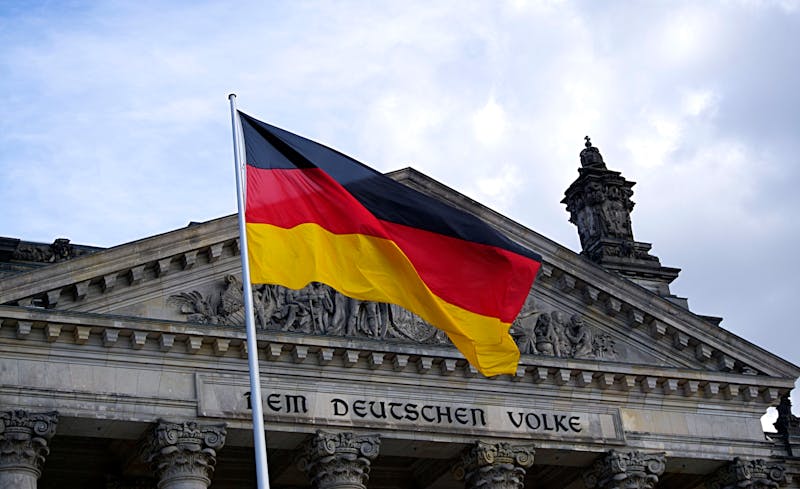
The proposed reduction signals a potential recalibration of U.S. military commitments abroad, driven by a broader strategic imperative to pivot resources toward the Indo-Pacific region.
The recent announcement regarding the United States' planned troop withdrawal from Germany has raised significant questions about the future of NATO's collective defense posture. As the alliance grapples with evolving security challenges, particularly from Russia and the shifting dynamics of global power, the implications of this reduction in American military presence merit rigorous analysis.
Historically, the U.S. military presence in Germany has served as a bulwark against potential threats in Europe. With approximately 35,000 American troops stationed in the region, this deployment has not only provided immediate defensive capabilities but has also fostered a sense of assurance among European allies. The proposed reduction signals a potential recalibration of U.S. military commitments abroad, driven by a broader strategic imperative to pivot resources toward the Indo-Pacific region while reassessing the European security landscape.
For NATO, this development necessitates a careful reassessment of its operational readiness and collective deterrence strategy. The alliance must confront the reality that a diminished U.S. footprint may embolden adversaries, particularly in Eastern Europe, where concerns about Russian aggression remain high. Consequently, NATO member states will need to enhance their own defense expenditures and capabilities to fill the potential gaps left by the withdrawal. This could lead to an increased emphasis on European defense initiatives, as states like France and Germany seek to assert a more prominent role in regional security.
Moreover, the geopolitical ramifications extend beyond merely troop numbers. The withdrawal could influence NATO's cohesion and unity, as member states may interpret the U.S. decision as a withdrawal from its commitment to European security. In this context, the alliance must not only manage its military capabilities but also reinforce the political bonds that underpin NATO solidarity. Strategic dialogues and collaborative defense projects could be key in ensuring that NATO remains agile and responsive to emerging threats, even in the absence of a robust American military presence.



