Six cays and a handful of rats is a small finding, but it is the kind of early warning that conservation work depends on.
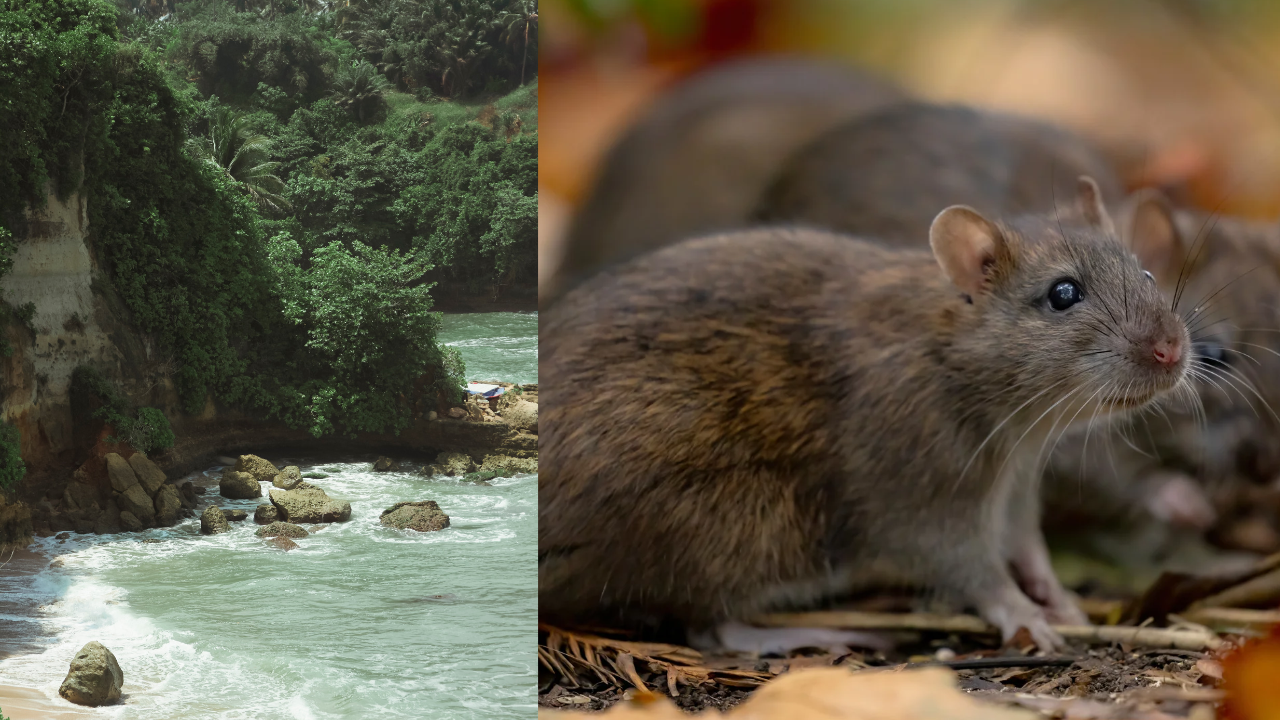
Conservationists have long treated remote islands as refuges, places where seabirds can nest beyond the reach of human development. A survey in the Caribbean suggests that refuge is more fragile than it appears. According to a report in the Times of India, wildlife teams assessed six offshore cays managed by Virgin Islands National Park in the U.S. Virgin Islands and recorded black rats on five of them and green iguanas on one.
The project was led by the U.S. Fish and Wildlife Service's Caribbean Coastal Program in partnership with Island Conservation, a nonprofit that restores island ecosystems by removing invasive species. The report says the project received its first funding in 2024, and that fieldwork was carried out in December 2025 alongside a review of older seabird survey records. The U.S. Virgin Islands Division of Fish and Wildlife shared data from its annual seabird surveys around St. John, while biologists from the Coastal Program, national park staff and Friends of the Virgin Islands National Park helped with planning and fieldwork. The Friends group also provided additional funding.
The stakes are specific. The cays have historically supported colonies of red-billed tropicbirds, roseate terns and laughing gulls, which need undisturbed ground to lay eggs and raise chicks. Black rats prey on eggs and chicks, and on small islands where alternative nesting sites are scarce, the report notes, failed breeding attempts can translate into declining populations. The green iguana is described as a threat to local diversity despite its harmless appearance. The survey results are still being studied, and teams may carry out further assessments.
What happens next is not yet settled. The report says the next step could involve removing rats and iguanas from the cays and preventing their return, and that conservation teams may use sound-attraction devices, which play recordings of seabird calls to encourage birds to settle and form colonies. A similar approach has been used at Desecheo Island National Wildlife Refuge in Puerto Rico. None of this has been confirmed as policy: the report describes possibilities rather than decisions, and gives no timetable, budget or guarantee that removal work will proceed.
The wider point is that island ecosystems are unusually exposed to human traffic. The report invokes the dodo as a reminder of how easily an introduced species can undo an island's native wildlife. Six cays and a handful of rats is a small finding, but it is the kind of early warning that conservation work depends on. Whether the warning is acted on will be the test.