
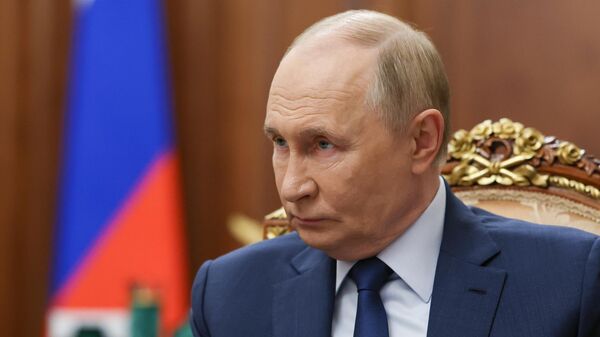
As global tensions escalate, the Kremlin prepares for high-stakes discussions with foreign leaders on Russia's Victory Day.
The upcoming diplomatic engagements in Moscow on May 9, coinciding with Russia's Victory Day celebrations, signal a strategic pivot for President Vladimir Putin amidst a backdrop of escalating geopolitical tensions. This date, steeped in historical significance, serves not only as a moment of national pride for Russia but also as a stage for international dialogue and potential realignments. The Kremlin's invitation to foreign leaders underscores its intent to project strength and foster alliances during a period marked by increasing isolation from the West.
Analyzing the context of these discussions reveals both opportunity and challenge. The presence of foreign dignitaries will allow Russia to position itself as a crucial player in global affairs, particularly in light of ongoing conflicts in Ukraine and Syria. The Kremlin aims to leverage this platform to underscore its narrative of resilience against what it perceives as Western aggression, thereby reinforcing its domestic support while simultaneously seeking to broaden its international partnerships.
Moreover, the choice of May 9 for these talks is emblematic of Russia's historical narrative, which emphasizes sacrifice and victory over fascism. This narrative is instrumental in shaping public sentiment and serves as a reminder of Russia's enduring role as a key power in the post-World War II order. By inviting foreign leaders to partake in these commemorations, Putin seeks to counteract the isolationist tendencies that have characterized Russia's recent foreign policy and to reinforce its role as a counterbalance to Western hegemony.
However, the success of these talks will depend significantly on the geopolitical dynamics at play. With tensions in Eastern Europe and the Middle East persisting, the Kremlin's capacity to forge meaningful partnerships will be tested. Leaders attending the May 9 events will likely weigh their participation against the backdrop of their national interests and alliances, particularly in relation to the West. The Kremlin must navigate these complexities carefully if it hopes to achieve its objectives of strengthening bilateral relations and asserting Russia's influence on the global stage.



