The political difficulty is that precaution is invisible when it works and costly when it appears excessive.
Portugal shut down much of its mainland on Wednesday as Storm Charles approached, cancelling more than 300 flights in and out of the country, closing all schools and halting non-essential public services. According to Al Jazeera, operations were suspended across four international airports, hundreds of supermarkets closed and the Web Summit technology conference in Lisbon, attended by about 70,000 people, called off the day's events. About 8,000 schools cancelled classes, a step the report describes as unprecedented in living memory.
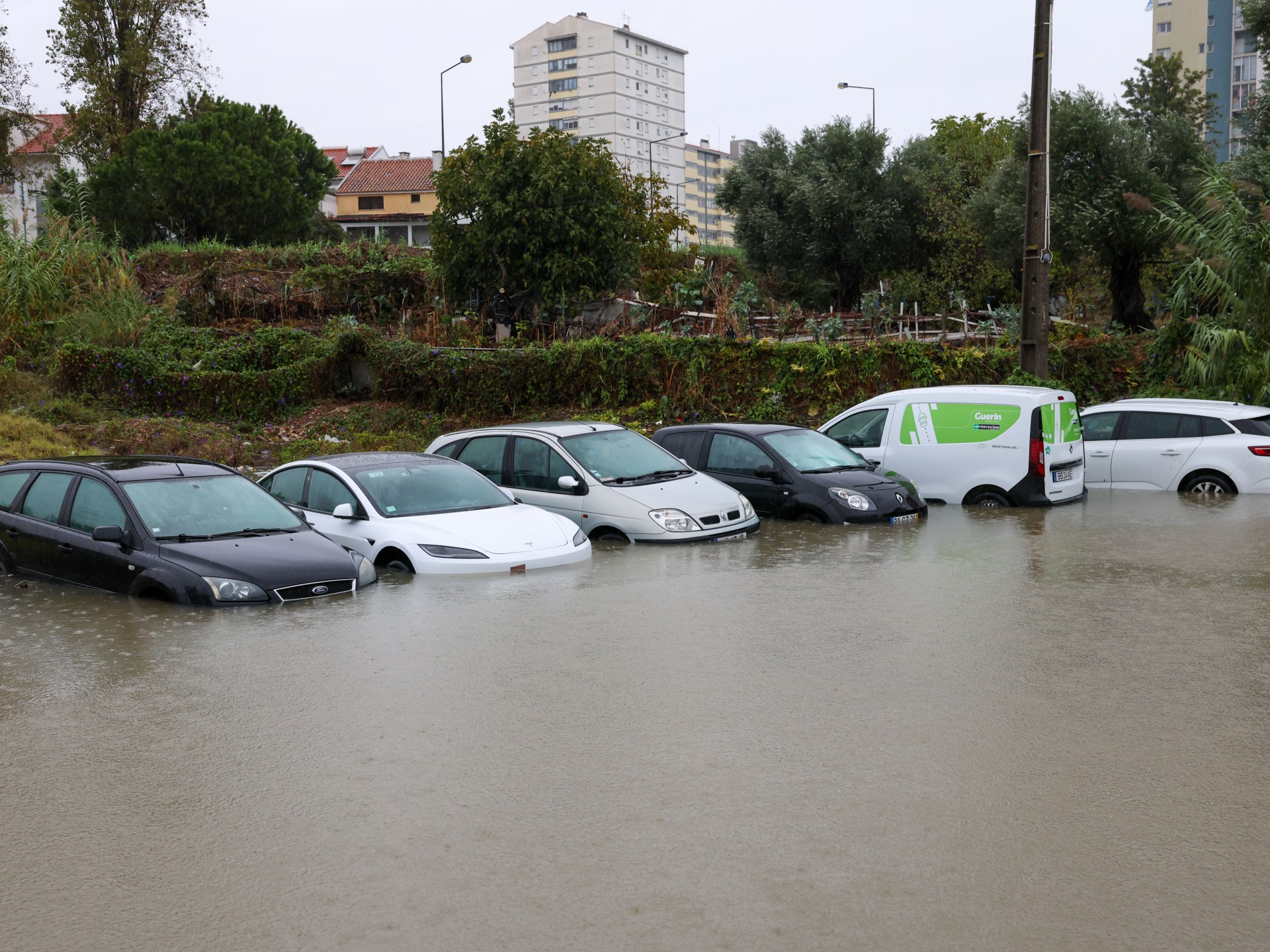
The storm itself proved less destructive than the forecasts had suggested. Heavy rainfall and intense winds passed without causing severe damage, the report says. The national weather agency, IPMA, recorded wind gusts of more than 120km/h in some areas, and some streets in Lisbon flooded because of clogged drains. By mid-afternoon only the southern Algarve region remained on red alert, the highest level of emergency warning, which had initially covered more than half the country. Storm Charles had struck Madeira on Tuesday with winds of 130km/h.
The scale of the shutdown reflects a government determined to avoid repeating past failures. In January, the centre-right administration faced harsh criticism for its weak response when Storm Kristin hit central Portugal, felling thousands of trees and causing property damage that is still being repaired. In February, a 70-year-old man died in Alentejo after flooding swept his vehicle off a street in the aftermath of Storm Leonardo. Prime Minister Luis Montenegro chaired a crisis unit with eight government ministers and other officials to monitor the storm, and Interior Minister Luis Neves dismissed suggestions that authorities had overreacted, saying the response was organised in accordance with the weather forecast.
That defence is reasonable on its face. Civil protection decisions must be taken on the information available before a storm arrives, not on the damage it happens to cause. A forecast of gusts above 120km/h across densely populated areas justifies keeping children at home and clearing the roads. The political difficulty is that precaution is invisible when it works and costly when it appears excessive. Closing airports, schools and businesses carries a real economic price, and a public that complies once may hesitate the next time if the warnings seem overstated.
What is not yet known is the final tally of damage, the cost of the disruption or whether the alerts were calibrated more broadly than the threat warranted. The report gives no figures beyond the flight cancellations and school closures, and no official assessment of whether the response was proportionate. Storm Charles was forecast to move later into Spain, where workers staged a general strike on Wednesday and organisers cancelled or postponed demonstrations in southern cities including Cordoba, Huelva and Cadiz. For Lisbon, the immediate test has passed; the longer one is whether this week's caution strengthens or erodes public trust in the warnings that will come next.