A bank serving more than half the adult population cannot fail without consequences for payments, savings and confidence in the wider system.
Paraguay's President Santiago Peña was impeached and placed under house arrest on Friday following the collapse of a prominent U.S.-owned bank with ties to his government, according to NPR. The fallout has left millions of Paraguayans without access to their money. Peña appeared before prosecutors, the report says, as legislators moved against him over the failure of Ueno Bank, a digital lender in which he was a shareholder.
The bank served about three million customers, more than half of the country's adult population, NPR reports. It had previously said that more than a million people opened bank accounts for the first time through its services, which included generous cash-back offers on groceries. That reach is central to the political and economic significance of the collapse: a lender that brought large numbers of previously unbanked Paraguayans into the formal financial system has now left many of them unable to reach their deposits.
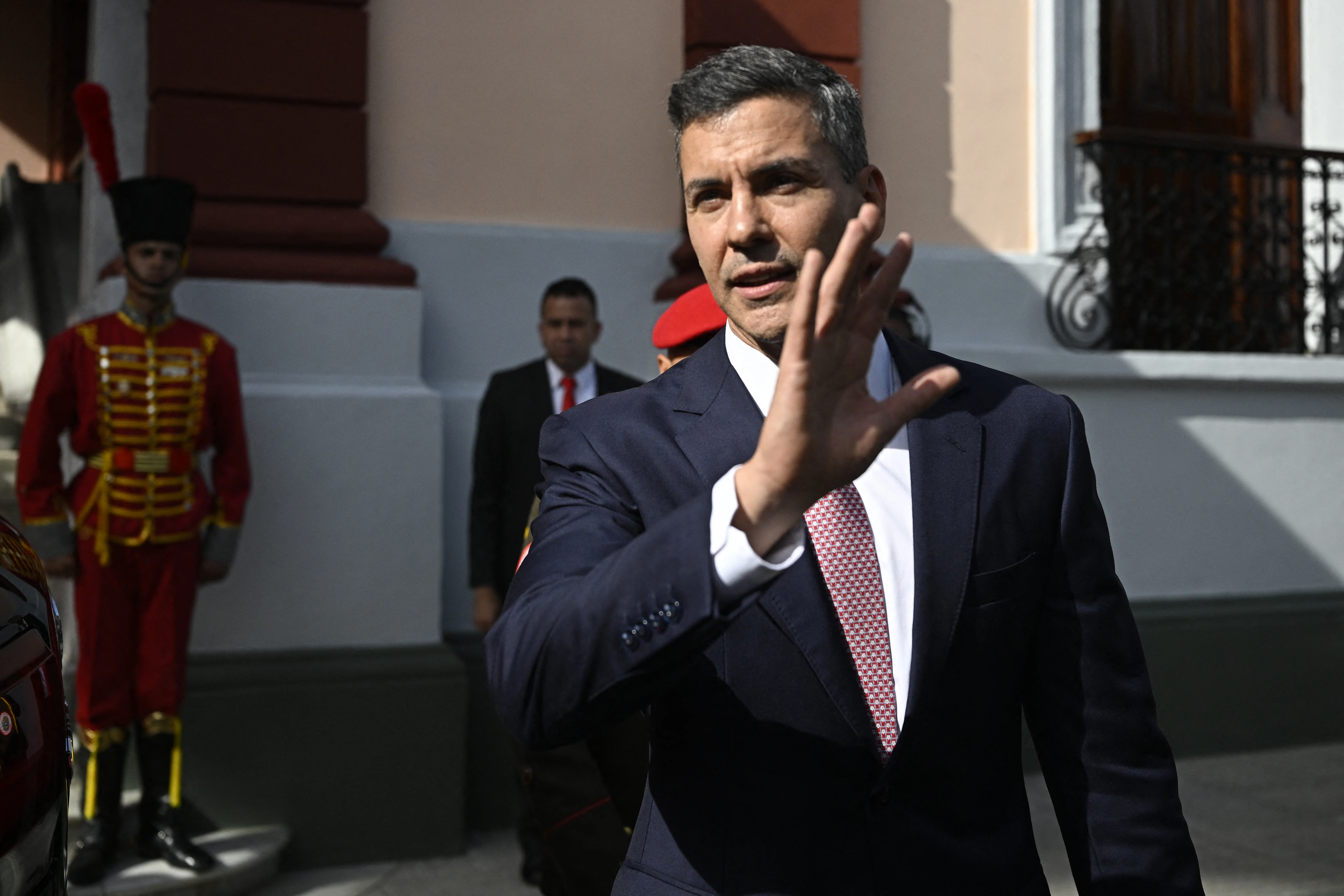
Legislators accused Peña of jeopardising state assets and of benefiting himself through his connection to the bank, according to the report. Peña was known as a pro-market leader focused on making it easier to do business in the country, and he is described as one of Washington's closest allies in the region. His removal therefore carries weight beyond Paraguay's borders, coming at a moment when the United States has been cultivating aligned governments across Latin America. The report notes a September meeting between Peña and Venezuela's interim President Delcy Rodríguez at the Miraflores Presidential Palace in Caracas, a detail that underscores his regional profile.
What is not yet established is the precise cause of the bank's failure, the scale of depositor losses, and how quickly account holders might recover funds. The report does not say whether the impeachment followed a formal trial in the Senate, what specific charges Peña now faces before prosecutors, or how long he will remain under house arrest. It also does not indicate who holds the bank's ownership or what the United States government has said about the collapse of a U.S.-owned institution tied to an allied president.
The immediate test is financial. A bank serving more than half the adult population cannot fail without consequences for payments, savings and confidence in the wider system, and the authorities will face pressure to explain how deposits will be handled. The longer-term test is political. Peña's impeachment removes a market-friendly ally of Washington at short notice, and the manner of his removal, tied directly to a financial institution in which he held shares, will shape how investors and foreign partners read political risk in Asunción. For a country that had marketed itself as open for business, the intersection of banking failure and presidential impeachment is an uncomfortable advertisement.