For a country generally regarded as economically and politically stable, the speed of the collapse, from bank takeover on Tuesday to impeachment on Friday, is the most striking fact.
Paraguay's Senate removed President Santiago Pena from office on Friday over the collapse of Ueno Bank, voting 44 to zero with one absence, according to the SCMP report. Senate President Basilio Nunez declared Pena "guilty of poor performance in his duties". Within hours the 47-year-old was placed under house arrest on suspicion of breach of trust, the report says, and Vice-President Pedro Alliana was appointed to serve as president until 2028.
The sequence of events matters. Pena had offered his resignation, but lawmakers pressed ahead with impeachment, a choice that strips him of the immunity former presidents enjoy and forecloses the senate-for-life seat he would otherwise have taken. Constitutional experts and lawmakers quoted in the report describe this as deliberate. The president did not attend the trial despite earlier pledging to defend himself; he had apologised to the nation in a video address on Thursday, saying it was never his intention to betray the trust placed in him.
The trigger was financial. The Central Bank took control of Ueno on Tuesday and froze its accounts over solvency concerns, leaving around three million people unable to reach their money. Ueno began as a small digital-first fintech serving low-income customers and grew into a major bank handling state pensions and the accounts of several state entities. Pena held a stake in Grupo Vazquez, which controlled the bank, until last year. The opposition alleges a conflict of interest, which he denies. The Attorney General is investigating him over the supervision and resolution of the bank and the placement of public funds in it.
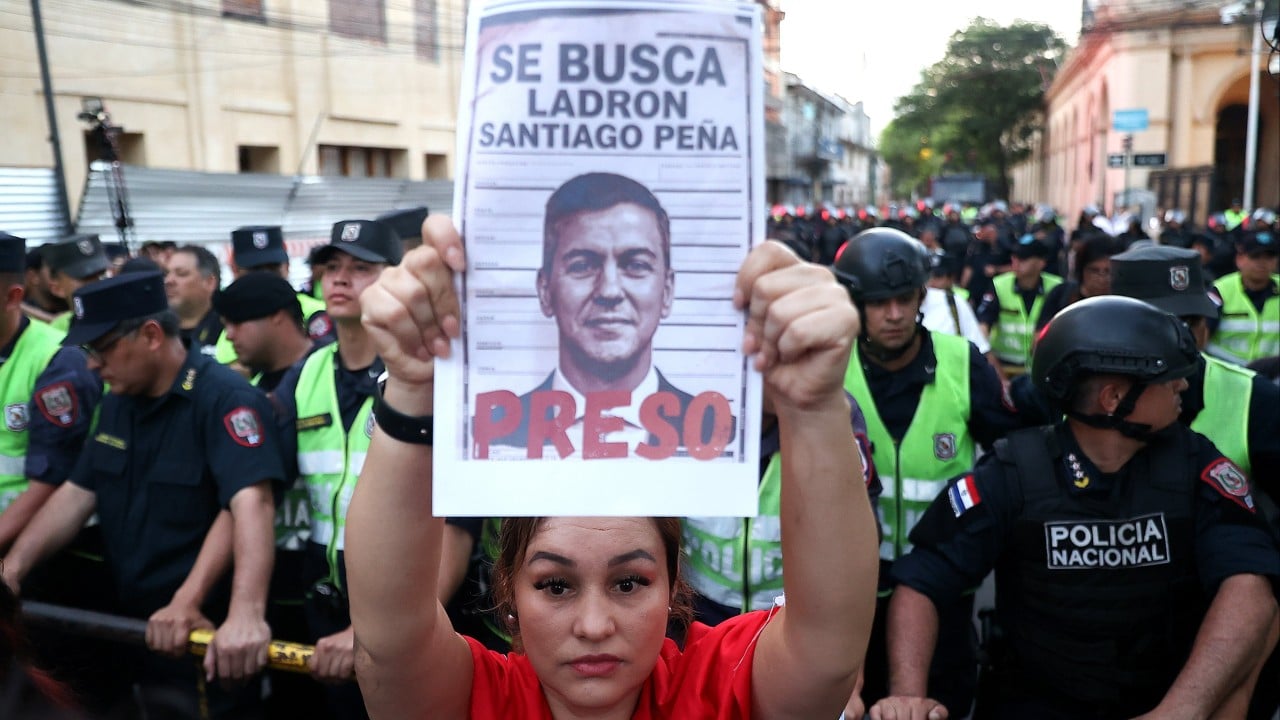
Relief is arriving slowly. Jose Maciel of the Central Bank's Deposit Guarantee Fund said advance payments began on Thursday afternoon, with a first phase of up to around US$1,600 for clients without loans who hold an account at another Paraguayan institution. Further beneficiaries will be announced progressively. Thousands have protested for three consecutive nights in Asuncion and other cities, and police dispersed crowds with tear gas and water cannons.
The fallout has spread beyond politics. The Central Bank president and the interior minister have both left their posts, eight Ueno executives have been arrested, and prosecutors raided the offices of ITTI, part of Grupo Vazquez, seizing hard drives and documents. Some 1,000 ITTI employees in neighbouring Argentina were suspended for 30 days without pay. Ueno sponsors first-division clubs and the national team, whose members said in a statement that they too were victims. The US embassy expressed solidarity with the Paraguayan people without naming the president.
What remains unconfirmed is the scale of the losses, the full list of those under investigation and how far the criminal inquiry will reach into the former president's conduct. For a country generally regarded as economically and politically stable, the speed of the collapse, from bank takeover on Tuesday to impeachment on Friday, is the most striking fact. Alliana has promised not to abandon depositors. Whether that promise holds will shape how Paraguay's institutions are judged.