
The decision to employ military force in the Strait is not merely a question of capability but also one of international legitimacy and political will.
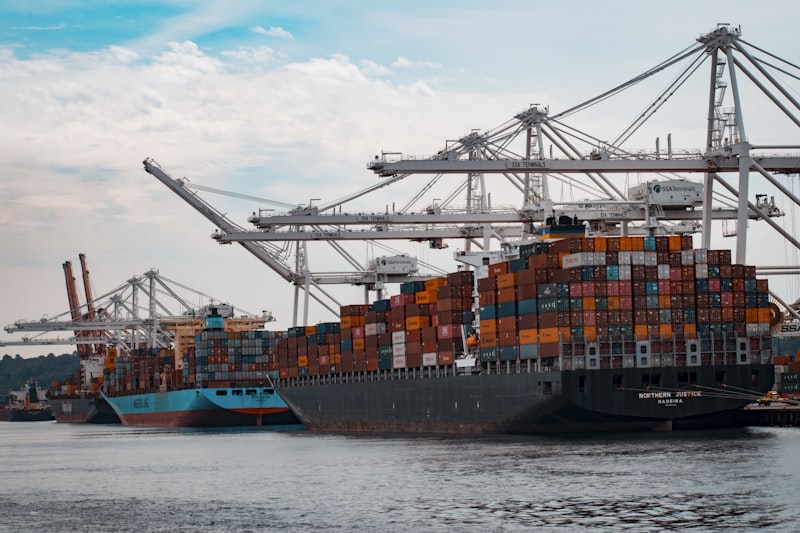
The Strait of Hormuz, a pivotal maritime chokepoint for global energy supplies, has increasingly become a flashpoint for geopolitical tensions. The recent surge in hostile engagements between Iran and various naval forces in the region has raised critical questions about the potential for military intervention to ensure free passage through these contested waters. With approximately 20% of the world’s oil supply transiting through the Strait, the implications of any military action could reverberate across global markets and diplomatic relations.
In recent months, Iranian naval forces have conducted a series of aggressive maneuvers, including the seizure of foreign vessels and threats directed at international shipping. Such actions have prompted calls from various stakeholders, including the United States and its allies, for a more robust military presence in the region. However, the prospect of using force to reopen or maintain security in the Strait of Hormuz presents a complex strategic calculus that carries significant risks, including potential escalation into broader conflict.
The decision to employ military force in the Strait is not merely a question of capability but also one of international legitimacy and political will. The United States has historically positioned itself as a guardian of free navigation in international waters, yet its recent foreign policy shifts and domestic challenges may complicate its response. Partner nations, particularly those with vested interests in maintaining oil supply lines, will need to navigate their own strategic interests, balancing the desire for security with the ramifications of military engagement.
Furthermore, the role of regional players such as Saudi Arabia and the United Arab Emirates cannot be overlooked. Their own military capabilities and political interests in the Gulf region will heavily influence any collective decision-making regarding intervention. The interplay of these nations’ strategies, alongside Iran's countermeasures, creates a precarious environment where any miscalculation could lead to unintended consequences.
Ultimately, while the threat of military force exists, it is important to explore alternative diplomatic avenues that could alleviate tensions in the Strait of Hormuz. Multilateral talks, confidence-building measures, and international maritime agreements may provide pathways to de-escalation without resorting to armed conflict. The stakes are high, and the need for a comprehensive strategy that emphasizes diplomacy while preparing for potential military contingencies is paramount.



